
Culture Reviews

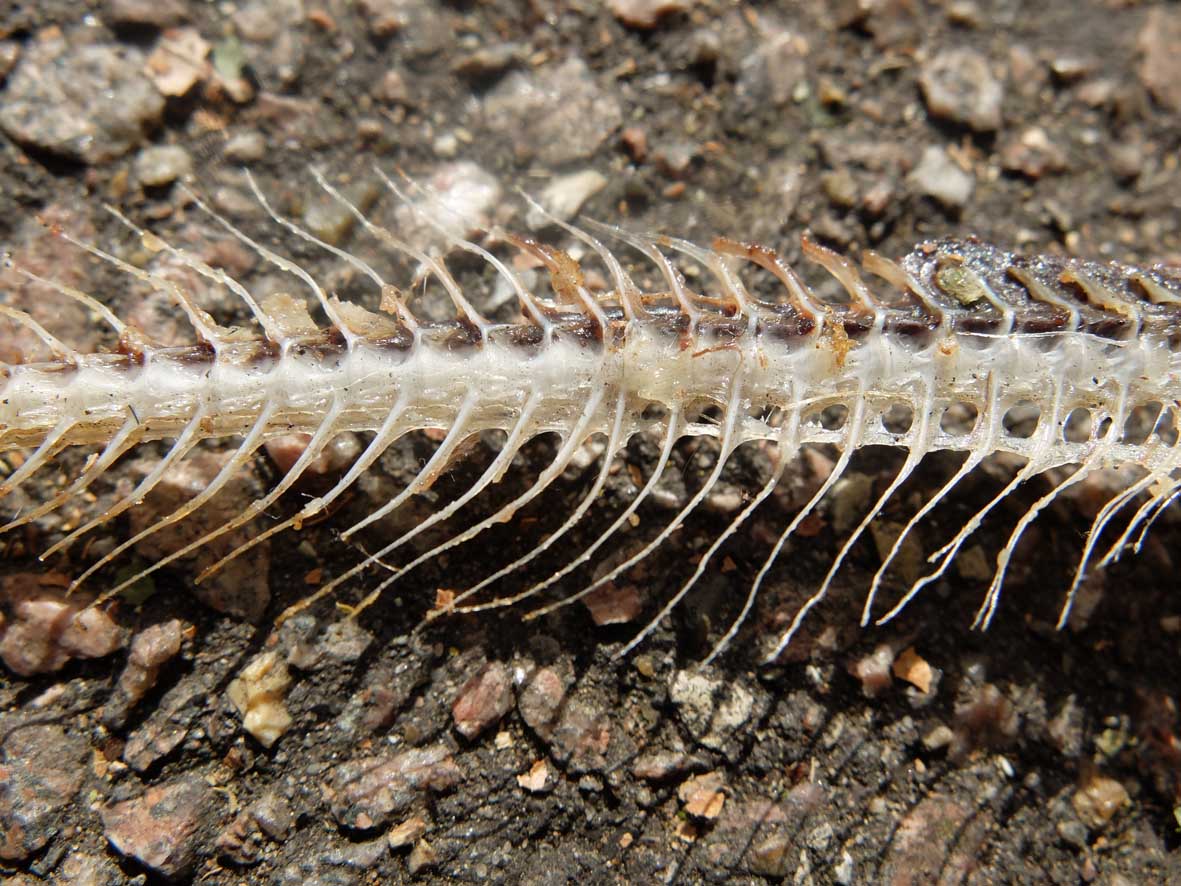
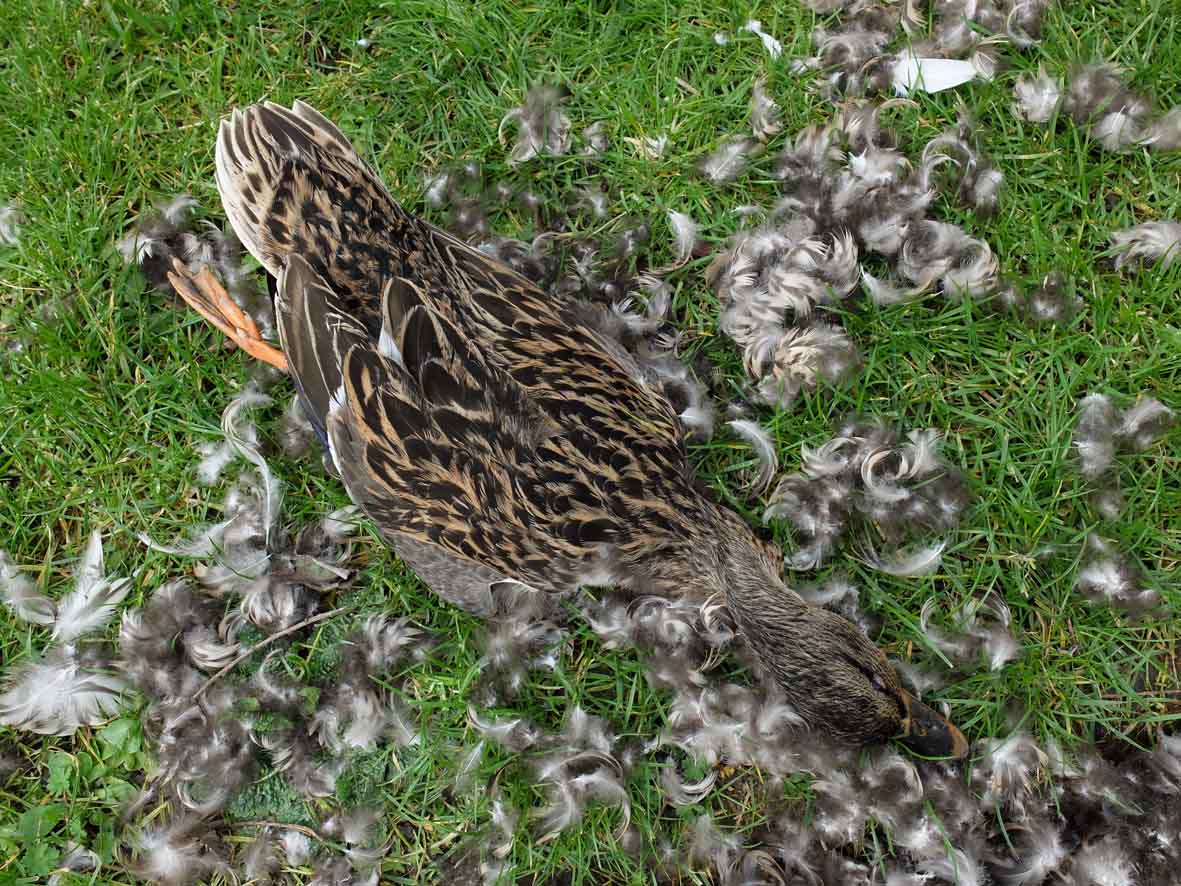
Like a crime scene, the victims of accident or predator sometimes lie in my path. I imagine each feather marked with an exhibit number, a chalk line around the body. The path that meets the road is closed off one day this week, with real police tape. “There has been a shooting,” word passes between dog walkers. Accident or not, a tragedy will probably be playing out in two households, as a consequence.

On this theme, there are a couple of gems available to hear on BBC Radio 4, which unfold some of the consequences for everyone involved after a crime has been committed. ‘This Thing of Darkness’ is a 8 part drama, written by Anita Vettesse and Eileen Horne. It follows a forensic psychiatrist’s conversations with an accused man, and members of his family, in an attempt to unravel what happened. Told from the psychiatrist’s point of view, it reveals her thought processes as she listens for glimmers of truth among the facts. It also includes characters inside a therapy group process within a prison. It allows us to see the nuanced and complex causes of what happened, and the feelings of everyone touched by the incident.

‘The Punch’ is a 5 part documentary series following the impact after one young man was convicted of manslaughter, for killing another with a single punch. We hear about the impact of the death both on the person convicted, and the family of the victim. It gives an inspiring insight into the process of restorative justice. The outcome of the meetings between the convicted, and the parents of the victim is remarkable, but does not diminish the morass of difficult feelings on both sides.
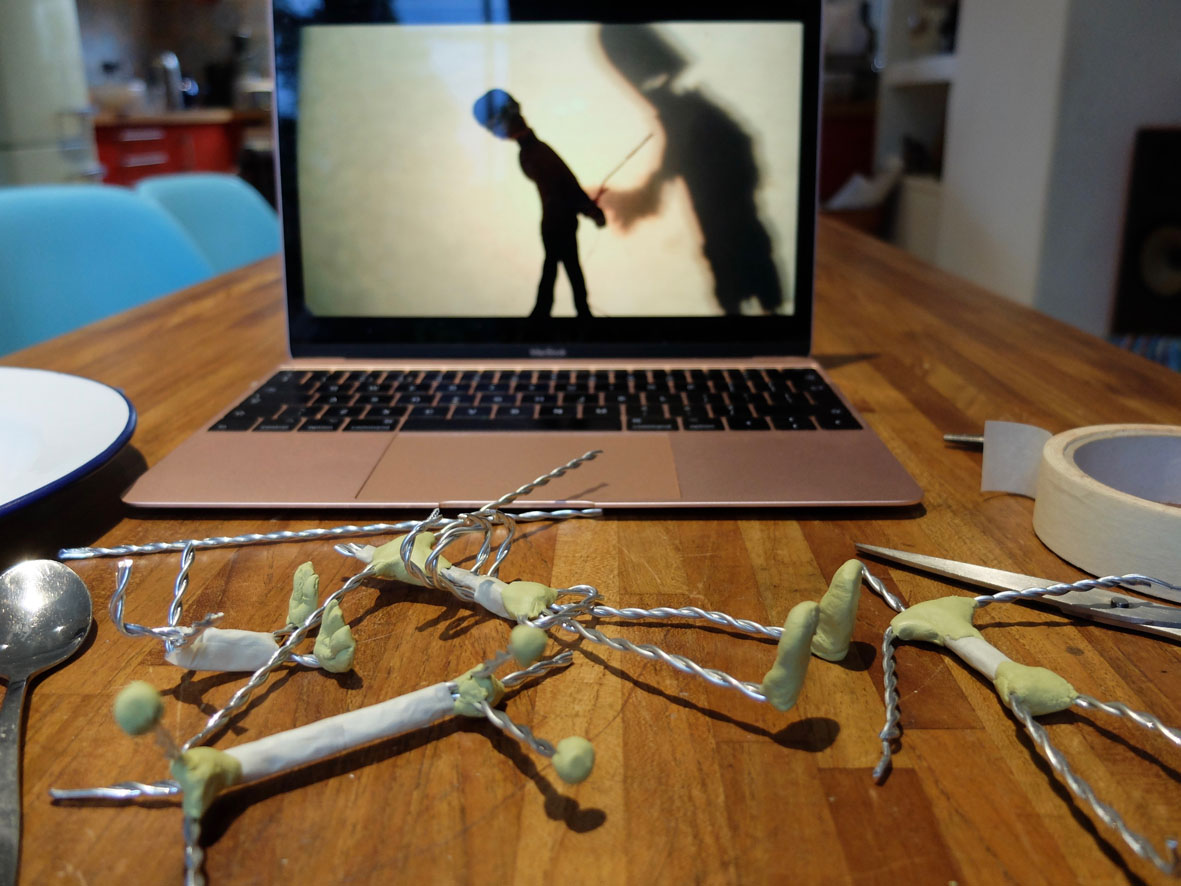
‘Norton Grim and Me 2019’ is a short, animated film about Tony Gammidge’s experience of being sent to boarding school. The film portrays strong emotional content with visceral images. It is also beautiful. Stark shadow puppets, plasticine figures, haunting photographs and quirky drawings weave together to illuminate his dark tale. He is one of the people who adds their perspective in ‘Sabre Tooth Tigers & Teddy Bears’ by Suzanne Zeedyk. Tony Gammidge invites us to find our own stories, to use creative expression as a way into healing. He brings his own grief, and trauma as raw materials to be transmuted. Inspired by Thomas Ogden’s work, Tony says, “To make art works from these events is not just about making sense of something, though this is important but also compensating for the loss, making something worthwhile and beautiful that in part makes up for it.” By watching the film, we bear witness to both his grief and its processing. “The film that charts his journey is not, then, just a re-telling of his childhood. It is a re-making of that childhood.”  With Tony’s encouragement I am fashioning my own characters to animate, out of wire armature and plasticine.
‘Norton Grim and Me’ by Tony Gammidge.

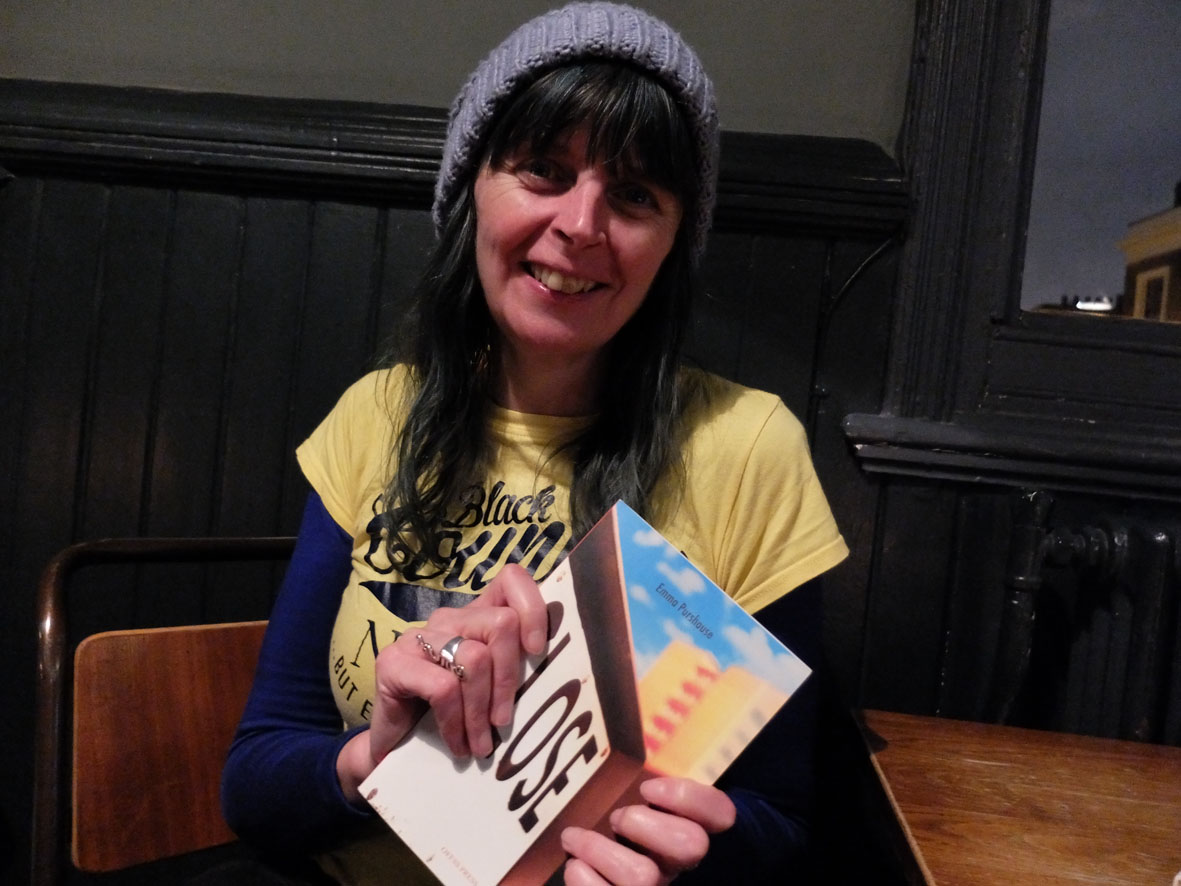
We gathered, the damp and determined, in an upstairs room at the Roebuck in SE1 on a rainy Wednesday night. It was not so long ago, in a different era. We went to hear Emma Purshouse and Steve Pottinger. Also known as two out of three ‘Poets, Prattlers and Pandemonialists’. Love and loss are currency for the grist of poets. They notice the small changes and gestures that show love like Pottinger’s ‘Impulse’, or Purshouse’s love letter, ‘Wolverhampton – a Winning City’. They both speak passionately about change. Be heartened by Pottinger’s letter to Café Nero. Emma Purshouse brings her irreverent eyes to the back waters and cul-de-sacs of town. She stands to read, as though recently uncrumpled from the sofa. She is astute, wrapped in humility plus woolly hat. I want to hug her. Her wit is sharp enough to hide in the spaces between words. Her voice lingers, leaving a sigh after her dead-pan face has left the room. If you need cheering up, or fancy a trip to the everyday life of the Black Country, there’s stuff to read, watch, and some silliness on-line.

www.emmapurshouse.co.uk/wolverhampton-a-winning-city/
www.stevepottinger.co.uk/coffee

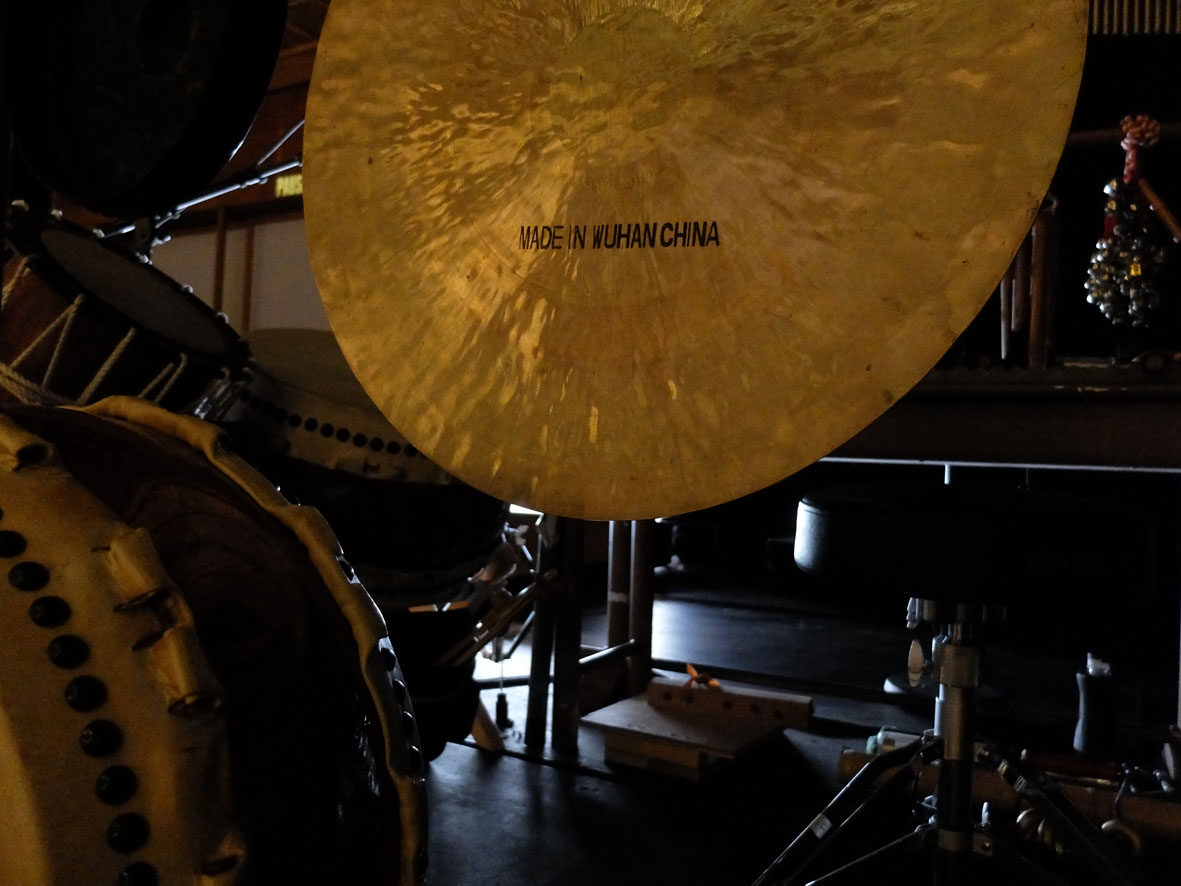
Before the theatres went ‘dark’, I was lucky enough to spend seven hours immersed in Robert Lepage’s visionary epic, ‘The Seven Streams of the River Ota’ at the National Theatre. This is a revised production of the work, created by Ex Machina – Lepage’s multidisciplinary company. Robert Lepage is an extraordinary magician, with a creative team who bring together performing with recorded arts to make extraordinary theatre. Seven scenarios take place within the piece, from 1945-1995. There are elements of overlapping narrative. “Hiroshima, city of pain,” is where the arc begins and ends. One after another clever and beautiful image takes us through the different scenarios. The action depicts Hiroshima post nuclear explosion, close proximity of relations in an American boarding house, life in Theresienstadt concentration camp in Czech, a farce in Osaka, (shown both from the inside and outside), diplomatic life in Osaka, an assisted suicide as a result of HIV Aids in Amsterdam, and Hiroshima again. Sometimes the narrative is more obscure, but ultimately the whole piece is devised to show Hiroshima as a symbol of rebirth. Within the play there is also an exploration of theatre itself, and its ability to transform details of history into a felt understanding. With his usual inventive flair, physical performances blend with lighting, video and sound to summon atmosphere and emotions. These draw me in to each character’s different history of trauma and grief. Looking back to a day when there were only 163 confirmed cases of Covid-19 in the UK, the few empty seats appearing in sold out shows offered bargain theatre-going opportunities. My elbow touched a stranger. Recalling breath-taking tableaux summoned up with light, silhouette, colour, mirrors, dance, humour, story, sound and silence, conjures up illusions within what now seems an illusory time. A garden of stones creates a walkway to be kicked up with butoh, or walked on through the opening sequence. Percussion adds to the crunch. One and sometimes two drummers keep the show moving. I notice the cymbal “Made in Wuhan China”. It reverberates, calling our attention to find meaning in a sea of grief.

Ex Machina, the company of Robert Lepage

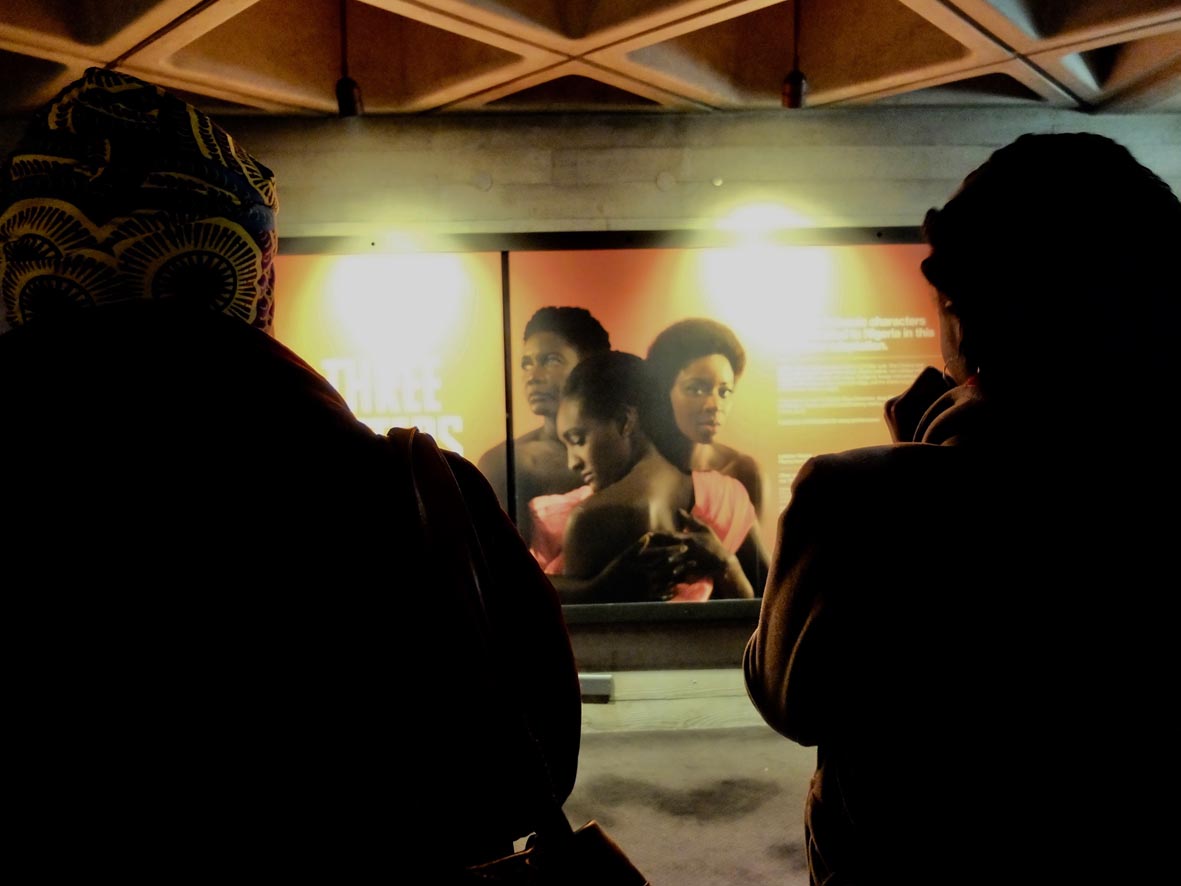
Chekhov’s plays are long. They usually involve a family who are suffering at the hands of political circumstances. Things generally don’t go well. This new play based on Chekhov’s ‘Three Sisters’ at the National Theatre has been re-imagined by talented poet Inua Ellams. The action has been transposed to the Biafran Civil War 1967-1970. It is a clever re-telling of a family trying to find happiness in the crucible of conflict. The colonising interests of the UK and France are implicated for their financial involvement. There are unpalatable historical consequences to acknowledge. It also has unpleasant resonances of current global issues around power, in territories rich in fossil fuels. All this plays out through a classic Chekhovian plot of drawing room family dynamics. Three sisters are displaced from their preferred home in Lagos. They grapple with relationships on the cusp between arranged marriages and modern influences. Each character has different motivations, and responds to trauma differently. At a familial level it’s about hope and its subsequent loss. At a global level it’s a valuable history lesson about the entanglements that burden populations as long term consequences of colonial powers playing ‘divide and rule’. The cast give us fine portrayals of different responses to life under siege, bearing the unbearable weight of hunger, violence and sorrow.
www.nationaltheatre.org.uk/shows/three-sisters

‘The Red Hand Files’ is the blog of singer/song-writer Nick Cave. A series of questions are asked by members of the public and he replies in letter form accompanied by an image. It is a Maverick, entertaining and profound collection of musings. His answers are sometimes deep, often funny and always candid. They are brilliant nuggets of prose irrespective of your interest in the music of ‘the Bad Seeds’. I happen to love the pulsing beat and ‘Hammer House’ organ of ‘The Red Right Hand’ (theme tune of Peeky Blinders). The question he asks which underpins this compulsive call and response of blog writing is “Are you there?” The questions are themselves funny, sad, meaningful and ultimately reflect the questioner, spanning sex, death and music. From #42 “With song writing we enter the imagination, that wildest of erogenous zones, where intense obsessive yearning can be like a roaring in the heart and loins both”. He reveals not only his wit, but his Christian framework and dedication to transcendental meditation, which support him in his own profound enquiry around grief. #44 “For most of my life I have felt a strange gravitational pull toward an undisclosed traumatic event, that could only be described as a dreadful yearning, and I found it eventually in my son’s death – something that both destroyed me and ultimately defined me.” I particularly love #6 “…if we love, we grieve. That’s the deal. That’s the pact. Grief and love are forever intertwined. Grief is the terrible reminder of the depths of our love, and like love, grief is non-negotiable.” I found myself spontaneously tapping out a question and hitting send before I could censor myself. I await his reply.
www.theredhandfiles.com

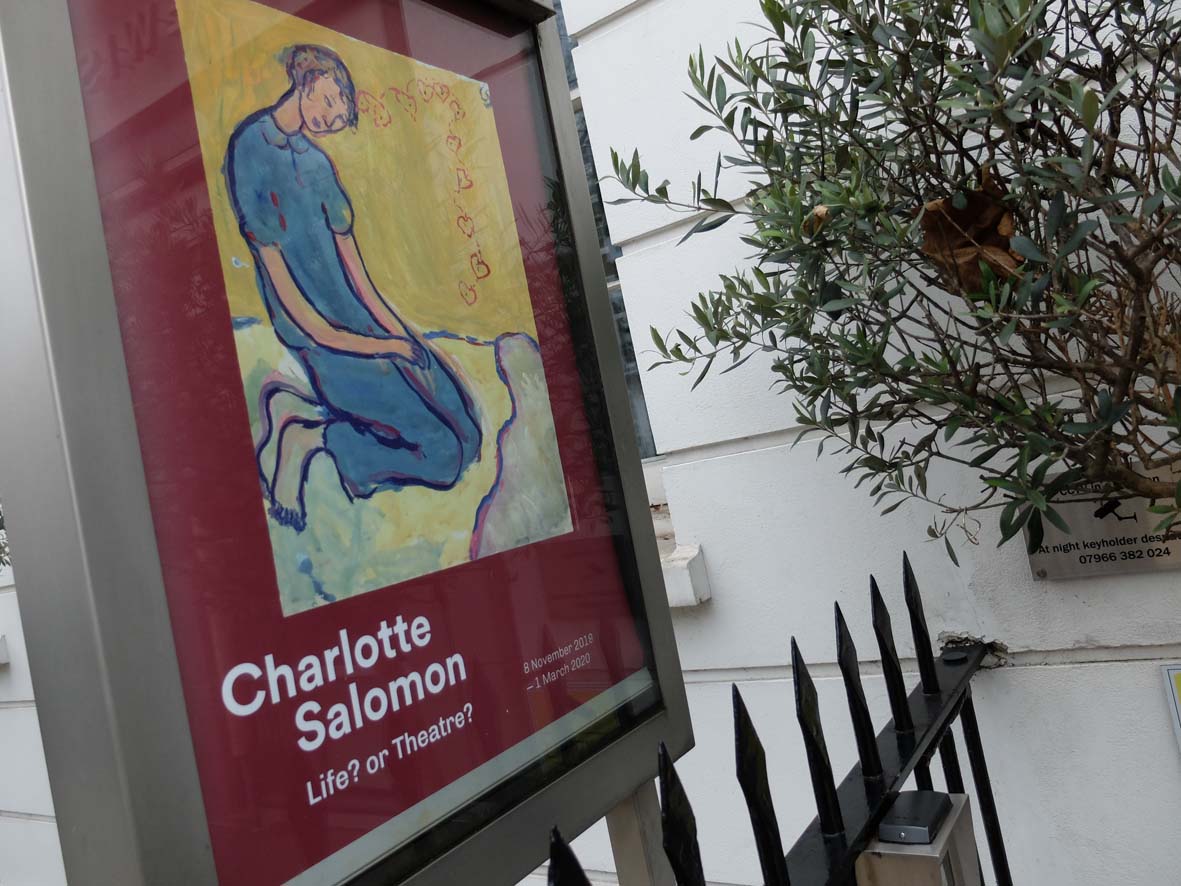
“What makes you shape and reshape yourselves so brightly from so much pain and suffering?” asks Charlotte Salomon in her own words, in her extraordinary exhibition ‘Life? or Theatre?’ at the Jewish Museum. This is part of the collection that was found after the artist’s death in Auschwitz. Painted over two years in hiding in France 1940-1942, it was kept safe by a friend and re-discovered after her death. The artist challenged herself “to create her world anew out of the depths.” Conceived as a therapeutic autoethnographical work, she invites us into her personal and family drama. It also reflects the history of a German-Jewish girl, in Berlin during the 1930’s; running up to the racial violence known as ‘Kristallnacht’ – the night of broken glass in 1938. (Autoethnography connects the originator’s work to the wider political and social context.) Charlotte Salomon’s story leaps from the pages of loosely painted images. Using only the 3 primary colours plus white, she mixes them to create sombre depictions of her family life with elegant red, blue or yellow outlines and later more urgent, bolder pictures. They were conceived alongside writing and relate to pieces of music. Inspired by her former music teacher and lover, she explores ancestral grief through the creative process. ‘Life? Or Theatre?’ is her therapeutic reclamation of the tragic set of personal circumstances that happen to her, simultaneously with the persecution of Jewish people. This exhibition shows over 200 small paintings, which begin with detailed frames telling the troubled history. As she delves deeper into the process, the images become more dynamic and the gouache streaks onto the pages, reflecting her own complex internal landscape. “I became my mother my grandmother in fact I was all the characters who appear in my play. I learned to travel all their paths and became all of them.” Like story boards, and pre-figuring graphic novels, she takes us step by step, back to childhood and her mother’s suicide and the events that follow. A final shocking revelation comes in the letter written at the end of the process. She finds a way to move through trauma and re-connect with living, “One can be resurrected – in fact, in order to love life still more, one should once have died.”
https://jewishmuseum.org.uk/exhibitions/charlotte-salomon/

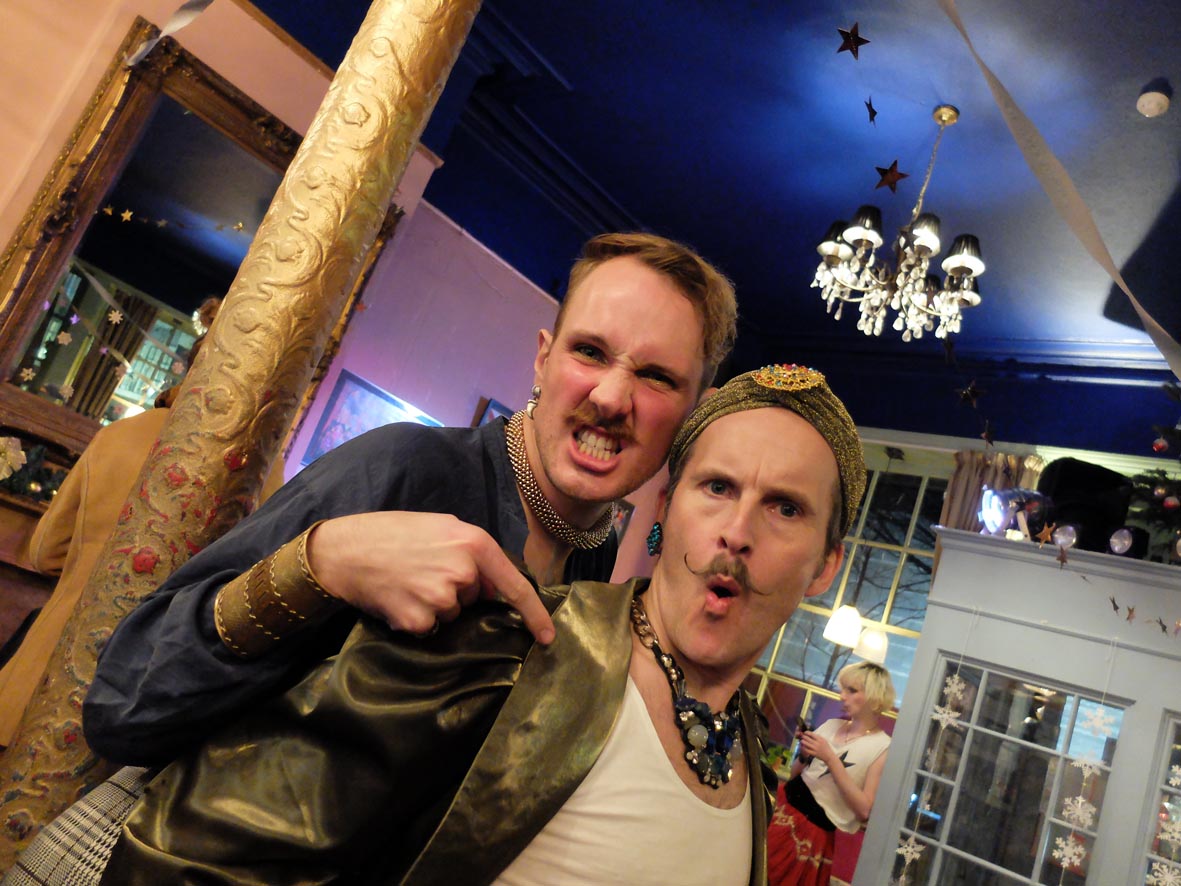
Two of my favourite people whisked me away, draped me in fluff and sequins (“because it’s panto” to quote Arkem), and took me on an adventure to see ‘Queer Stories’. The Embers Collective rekindle the art of story-telling. Lonan Jenkins our compare invites us in with ‘Permission’, a poem by Alabaster dePlume. This is a call to arms to “give yourself permission to do your awesome shit.” Doing something new and being yourself creatively is what the Embers Collective are all about. Together they create an easy, inclusive atmosphere to welcome all, where difference is valued. ‘Queer Stories’ is a cabaret style performance featuring Anya Pearson and Josh Middleton bringing music in and between the lines of the stories by Charlie Wood, Robert Holtom, James Boswell, India Jaggon-Barrett, Dominique Bull and Arkem Mark Walton. “What kind of character do you want to be in this story?” asks dePlume, talking to this particular moment in history. Delving into and beneath their own lives to bring something new, each performer has their own unique perspective on queerness. Adding archetype and mythology they produce stories that charm, move and delight. Every performer has their own distinctive flavour. Thank you Rosie and Julie for engineering for me to see their awesome shit. It was magic.
www.theemberscollective.com

‘Tell Me Who I Am’ is a fascinating documentary film made about an extraordinary set of circumstances. Alex and Marcus are twins, now in their 50’s. We see them beautifully illuminated in the studio as they tell their stories. “I don’t know who I am”, begins Alex. Like psychologists observing through a two-way mirror, we are invited into their worlds, their twin perspectives. Despite being identical twins, their experiences are not mirrored. We learn more about their responses through their body language – as they each return to glasses of water, sit forward or back on their chairs, and spread fingers across their faces when overcome with dismay. “The major thing about being a twin; you’re never alone,” says Marcus. The narrative is driven by compelling interviews, but flushed out with haunting images and atmospheric details through reconstruction.“ Alex lost his memory by accident, and I lost my memory voluntarily,” says Marcus. We observe as they open Pandora’s box and out pour secrets, truths, guilt, grief and shame. The whole tale spins on an axis of “blinding trust.” We become voyeurs in the deconstruction of an internalised history. As memory, relationships, family dynamics and identity disintegrate, what remains?  It asks whether our memory and history forms the bones of who we are? The connection between the brothers is under scrutiny. Through them this is a compelling examination of responses to trauma, and the expression of emotion.
www.imdb.com/title/tt10915286/

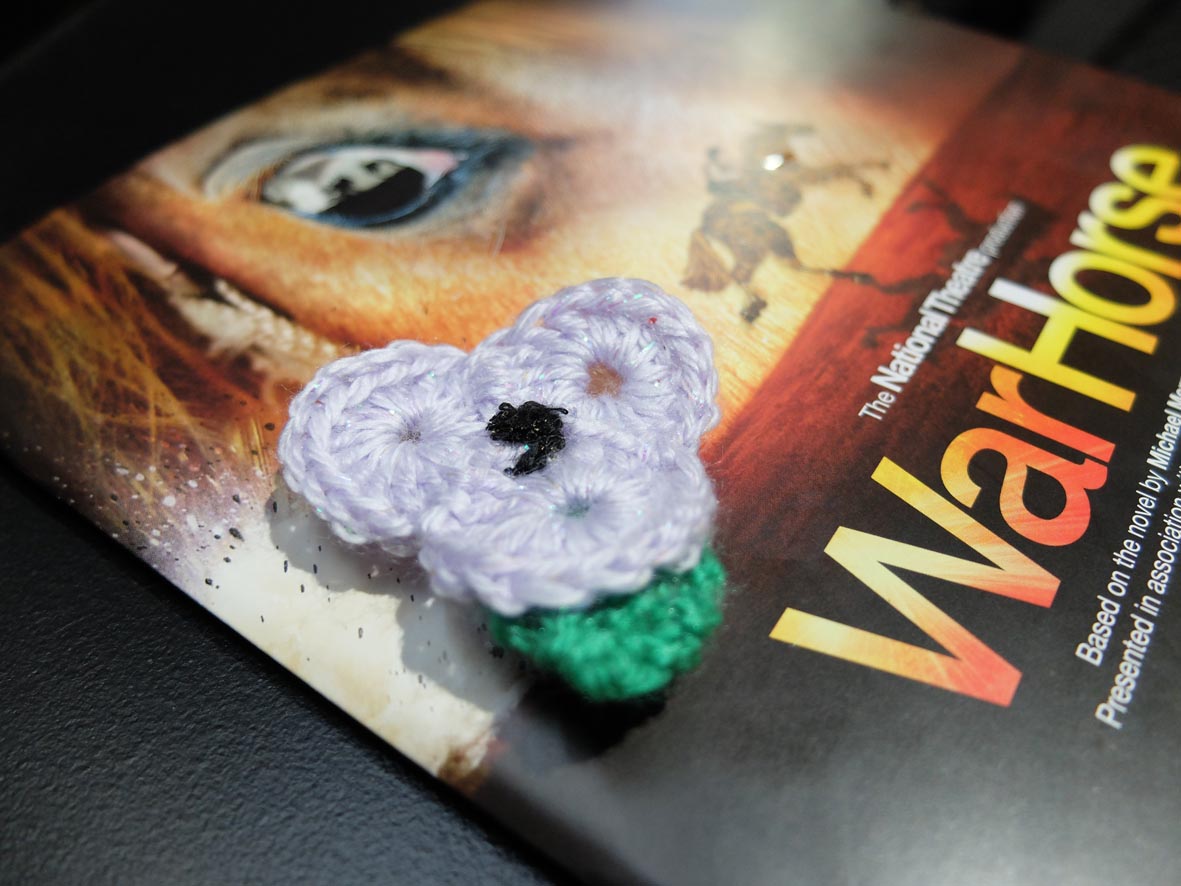
We first saw ‘War Horse’ at the National Theatre in preview in 2007. I cried then at the flyer, (the image seen here on the programme). I honked my way through the show. I saw it again in 2013 and for the third time tonight. The piece has tightened up since I first saw it, but it still made me weep. This run at The Troubadour in Wembley ends on the 23rd of November. Michael Morpurgo’s original book, an ‘anthem for peace’ as he puts it, is anchored in research to tell a simple ‘boy meets horse’ tale. Through this personal story, he opens a window onto the carnage, confusion and hardship in active service during the First World War. Nick Stafford adapted the book as the bones of the production, which was then fleshed out by the Handspring Puppet Company to create illusions of twitching muscular horses, and even a tank. ‘War Horse’ is a grand spectacle using theatre’s best visual sleight of hand – puppets, lighting, smoke effects, animation (of Rae Smith’s loose drawings) and human choreography to move the audience. Using the horse as the vehicle, the show paints an allegory of loss of innocence. The music, which ranges from its folk opening song, ‘Only remembered for what you have done’, through pastoral to bombastic amplifies the emotional surges. The Armistice was signed 100 years and a day ago. This feels a fitting grief ritual to acknowledge the loyalty of our animal kin during the horrific trauma of war. At the end of the show my white poppy came unexpectedly to light.