
Book Reviews

Image of the book in text with personal trinkets to reflect its theme.

‘The Red of My Blood: A Death and Life Story’ tells the story of the first year of grief. Clover Stroud writes about mourning the death of her sister. She captures the paradox of being both with deep feelings and the continuation of everyday family life; where children need feeding and attending to.

Clover Stroud writes her loss from the inside out. With metaphor and through her senses, we are invited into her inner world. She shows us glimpses of the pain of losing a sibling in middle age.

It is easy to misconstrue Kubler-Ross’s 5 Stages of Grief (plus Kessler’s = 6) as following each in neat order, but Stroud reminds us: “The path alongside death is crooked, remember. There are no consequential stages which happen one after the other, neatly, like dominoes falling.”

I love the permission that Stroud’s memoir gives to recognise the depth of love that mirrors the loss, in relationship with her sister. The death of a partner or child is seen as very significant, but grief follows in the wake of the death of anyone we love, as well as an infinite range of other life situations. “The truth is that the death and therefore loss of someone you love deeply is so awful you have to rearrange your brain dramatically to survive it.”

Writing during 2020, the pandemic adds an additional layer, as Stroud describes collective loss through lens of home schooling and changes in meeting with friends.

Describing grief as an “active verb”, Clover allows us into her own process. She sometimes faces towards the inevitability of death, and also the desire to escape from the reality that “none of us are getting out of here alive,” (to quote Nanea Hoffman via Stroud).

For me, through reading and feeling alongside the hurt of grief allows me to practice stretching my heart muscles. If you are currently inside your own experience of deep grief, Clover Stroud’s beautiful words may be able to reach out to tenderly hold your hand in recognition. She tells of her rituals and strategies, that allow her to begin to alchemise pain when it feels impossible. “The shrine of hard little objects were things to clasp, when the caverns of loss opened up and life felt as if it was sliding out of reach.”

Follow link for next Grief Tending events.

Sarah Pletts is a Grief Tender and Artist who offers workshops in London and online, sharing rituals where grief on all themes is welcome.  For more information about Grief Tending events see here

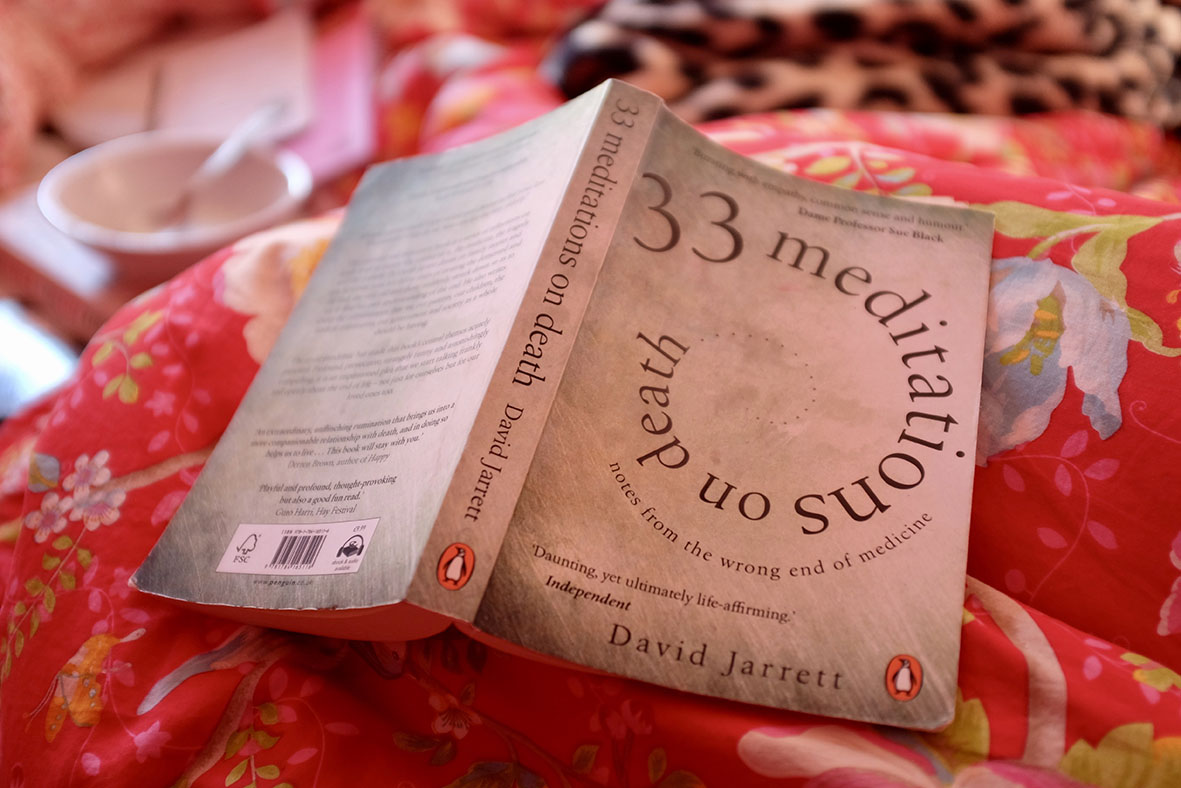
Copy of the book described in the text

The second line appeared on my lateral flow test. I grabbed a few essentials from the kitchen and retired to bed. As symptoms circulated around my bronchial passages, I reached for ‘33 Meditations on Death: Notes From the Wrong End of Medicine’ by David Jarrett. Covid 19 does not appear until the final chapter, but contemplating age and vulnerability proactively are themes of the book.

David Jarrett MD is a long serving physician providing medical care to older people. If you are, or have been involved with the care of someone frail or elderly, you may already be aware of the medical ‘twilight zone’, the spectrum between life and death that older people can often fall into.

There is a great deal of sound thinking, alongside compassion and humour in the stories that come from Jarrett’s long service in geriatric and stroke care. “We are obsessed by mortality in modern health services, when we should be paying greater attention to quality of life. One is very easy to measure and the other virtually impossible,” he suggests.

Over a career that spans decades, we are given an inside perspective on the changes in medical practice, both for good or ill. We are treated both to the stories of patients, and doctors, who are dealing with mortality. It is a wise and engaging read, that brings insight to the perfect storm, “of longevity, prolonged infirmity and sheer numbers.” We are dying longer, as a consequence of living longer.

Some of the examples he brings have an element of tragicomedy about them, but in the face of uncertainty and the limits of medicine, the warnings he shares are important. Seventy is the new sixty for the lucky ones, see here for Advantages of Age who celebrate this.

However, there are wider implications to consider for us as ageing individuals. And for our collective greater good as a society, we need to debate these issues. As Jarrett says, “There is a burden of disease and there is a burden of treatment, and these two need to be balanced.” In his own words, “This is a call to arms for all of us to prepare and share more radical plans for our futures and perhaps in old age relinquish some of our considerable financial and electoral power.”

Sarah Pletts is a Grief Tender and Artist who offers workshops in London and online, sharing rituals where grief on all themes is welcome.  For more information about Grief Tending events see here

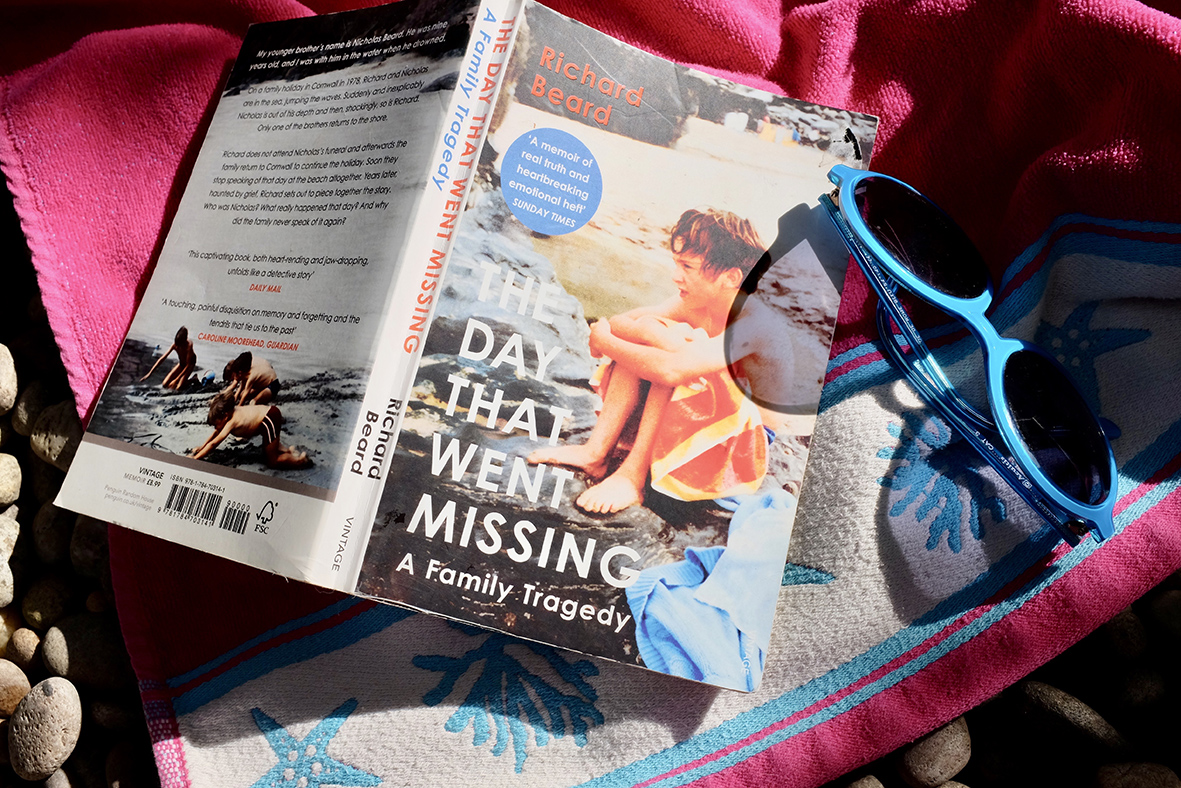
Image of the book on a beach towel which relates to theme of the book

‘The Day That Went Missing: A Family Tragedy’ is a book in which Richard Beard explores of one tragedy in one family. It is also a tale of a very common survival strategy to avoid the pain of trauma. He unpicks threads in the circumstances that surrounded his brother’s death. In particular he begins to unwind linear ‘explicit’ memories of witnesses, and excavate more unpredictable ‘implicit’ memory fragments lodged in his body as “a definite physical memory.”

In examining the defences of his family, he recognises that “our project of denial has been a life time’s work.” In this very introspective enquiry, he shows us how these adaptive parts are gradually formed in the absence of space for the expression of grief. “…children and grandparents formulated a response to a world of unreasonable sorrow. We played Scrabble.” He spirals in towards the central happening where, “I limp and run, and the wounded noise keeps rising and has nothing to do with my leg. The noise is inarticulate pain, grief that doesn’t know how to express itself.”

I felt my heart ache for his younger self, shut down in the face of tragedy, “Snap out of it! In that definingly English phrase, pull yourselves together. We could not accept in 1978 in Swindon, the notion of legitimate emotional trauma. We didn’t respect emotion as a useful human response.”

So many who seek out grief tending bring disconnection – which may have served them well as a survival compensation, but may now separate them from self and others.

Richard Beard’s experience speaks to wider themes such as ‘boarding school trauma,’ and the culturally pervasive tendency for disconnection from “any emotional disturbance,” popularised through maintaining a ‘stiff upper lip’.

Splitting off from pain can be problematic, and for those wielding social and economic power others may pay the cost. Beard describes the mechanism by which “we were encouraged to dismiss our feelings for ourselves, and so lost the ability to feel for others.” This is a book that looks under the carpet of privilege and the cost of maintaining a social image at the expense of the people involved.

Sarah Pletts is a Grief Tender and Artist who offers workshops in London and online, sharing rituals where grief on all themes is welcome.  For more information about Grief Tending events see here

‘Sabre Tooth Tigers & Teddy Bears’, the Connected Baby guide to attachment by Suzanne Zeedyk, is a straight forward introduction to Attachment Theory for a wide audience. It includes plenty of colour photos, and is illustrated by the experiences of a parent, a ‘boarding school survivor’, a self-identified adult who used to be ‘one of the difficult kids’, three primary head teachers and two members of the police. ‘Sabre Tooth Tigers & Teddy Bears’ takes us from the basics of Bowlby’s Attachment Theory in which “babies are skilled at keeping their parents close” by developing core behavioural strategies to manage their anxieties. Zeedyk also explains: “it is also about the repeated moments by which we learn the core elements of human relationships: how to trust and how to forgive.” These patterns go on to effect us as adults, and impact how we connect with the wider world. In recognising the importance of how we are imprinted by life, (she is keen to encourage rather than blame care-givers), she highlights the possibilities for transformation for the next generation, as well as attending to our own healing as adults. Neuroscience is helping us to understand how these patterns are set up, but can also be changed, through the neuro-plasticity of our brains. Dealing with uncomfortable feelings is something that we learn. “When an adult responds affirmatively to a baby’s emotions, whatever the emotion is, then the baby discovers that this is a feeling that can indeed be shared with another person. The neural connections in his brain are built on that expectation of sharing.” If we take heed of this growing body of science, and apply it in our lives at the micro and macro level in practical actions, it would change our relationships, and build resilience in our societies. Each of the people who tell their stories in the book, are examples of pioneering front-line attachment activists. “We need to foster self-reflection for individuals, families, organisations and communities. We need to see what we are cheating ourselves of when we can’t listen to our children’s emotional needs.”
‘Sabre Tooth Tigers & Teddy Bears’ Dr Suzanne Zeedyk connected baby.net

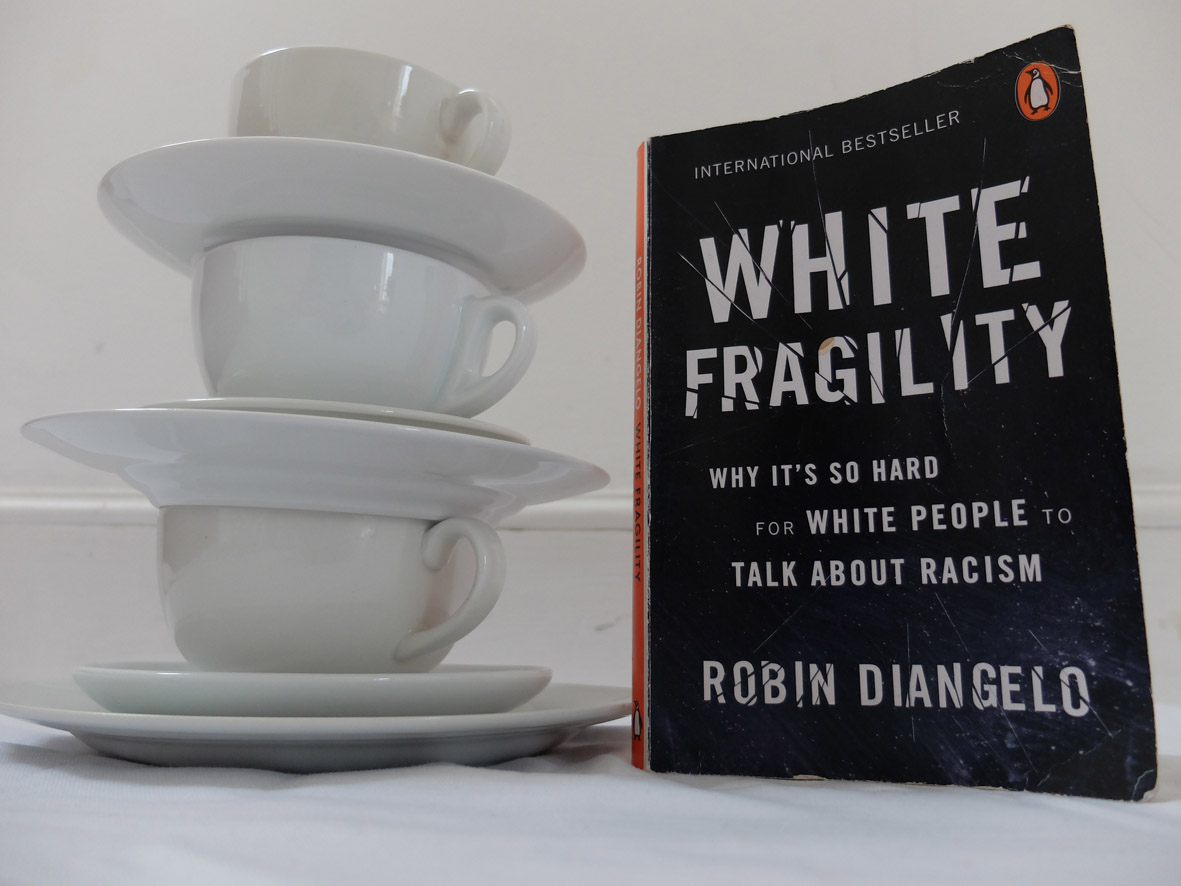
‘White Fragility: Why It’s So Hard for White People to Talk About Racism’ by Robin Diangelo, is a short book that effectively addressed my assumptions among other things, that being ‘colour blind’ or ‘celebrating blackness’ were useful; that waving my white middle class liberal flag was enough. These are toothless strategies in the face of the scale of the problem. Robin Diangelo makes explicit that “my silence is not benign because it protects and maintains the racial hierarchy and my place within it.” She unpacks the unhelpful diversionary tactics of white defensiveness. The nub of ‘white fragility’ as a concept is that the system of white supremacy is perpetuated by white people’s reluctance to talk about race, let alone take action to change the status quo. Once white bodied folk get to grips with the inevitability of our complicity with a system that essentially gives us a massive advantage, in ways we are not even aware of, then we can stop trying to defend our ‘good’ non-racist self-image, and begin the work needed to actively interrupt racism. She describes a workshop in which she asks the people of colour who were present, “What would it be like if you could simply give us feedback, have us graciously receive it, reflect, and work to change the behavior?” Recently a man of color sighed and said, “It would be revolutionary.”

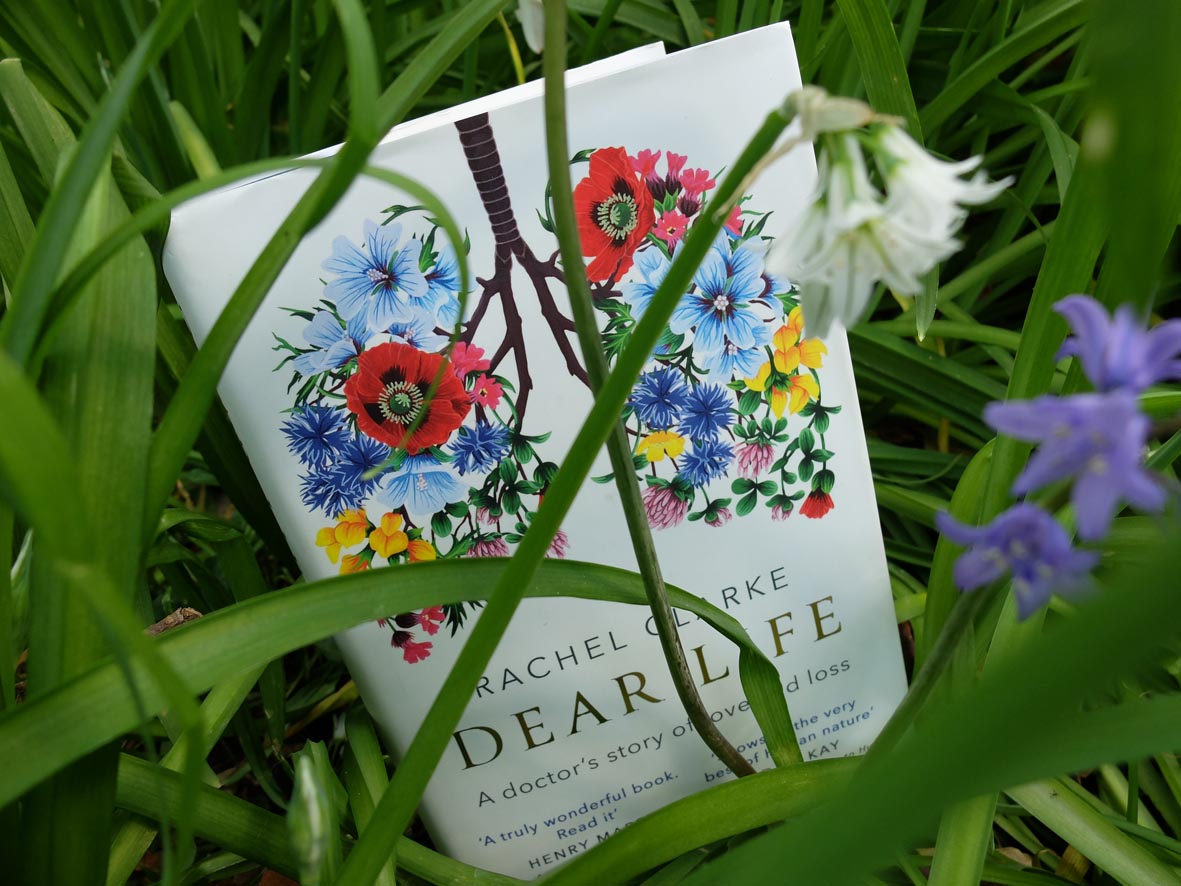
“In navigating this complex web of fact, fear, imagination and physiology, a palliative care doctor is a scientist with a hint of shaman.” Rachel Clarke is one of these scientist/shaman working with the living, who happen to be dying. In ‘Dear Life’, she manages to articulate the challenges of being a medical doctor with a big heart on the front line of end of life care. She takes us with her, on her journey to become a doctor, combined with the roles of mother and daughter. It is her warmth as a person that comes through in her writing and allows us to connect with her experience. She recognises the importance of fundamental values like kindness, listening, and as she puts it, “patient, not disease, centre stage”. She is a representative of an underfunded sector of an under-funded NHS, a pragmatic yet passionate doctor. She recognises how, “patients oblige, comply, obey; they cannot risk dissent when so much power is concentrated in medical hands.” She is a powerful advocate for “small acts of kindness, and simple touch to transcend primal fear.” She doesn’t shy away from facing issues of ‘desperation medicine’, which is a tempting treatment avenue to follow when including death in the conversation around life-limiting conditions is avoided. She is wise and understanding as she accompanies patients and their families, navigating hospice life together. “I forgot how much it hurts to love someone while losing them”, she admits. Her descriptions of the vibrant life on a hospice ward are inspiring and life affirming. She shows us what is possible in the face of difficulty. “In the absence of cure there is still love, joy, togetherness, smiles, tears, wonder, solace – all of life, only concentrated.” Her own grief unfolds through the narrative when her father is diagnosed with cancer. This becomes the lens which deepens her clinical practice and reminds us that “grief, like love, is non-negotiable”.

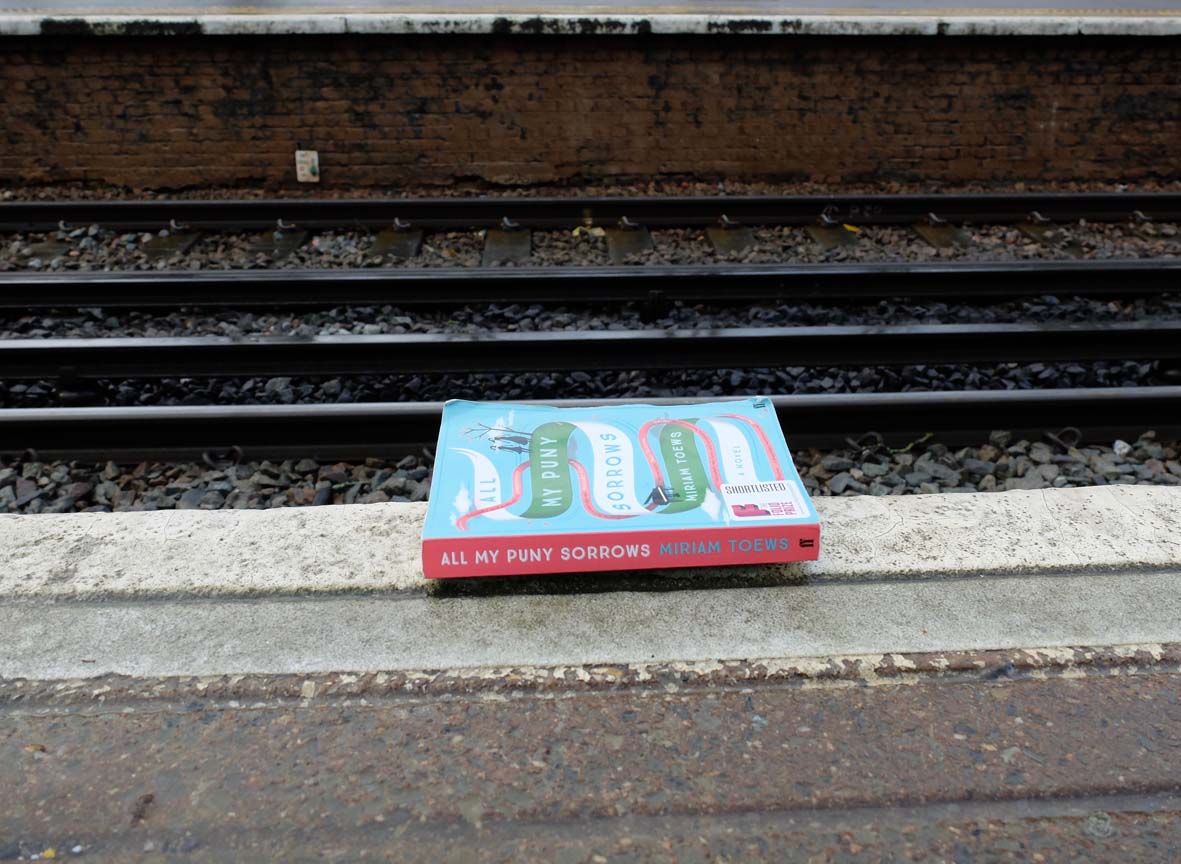
The novel’s title quotes from a poem by Samuel Taylor Coleridge, ‘On Receiving an Account That His Only Sister’s Death Was Inevitable’. Miriam Toews writes this poignant and unflinching tale based on the autobiographical details of her own family life. She writes with humour that sounds almost flippant about their family dynamics and troubles. She captures the senses of paradox that comes when dealing with difficult circumstances that co-exist with the common rituals of everyday life. Hence when a family member is sick, there can be a heightened intimacy, and yet provisions must still be bought, meals cooked, and cars repaired. There is a sense of melodrama in the unfolding story. She brings dark humour to the tragic circumstances her central protagonists find themselves in. “Now I couldn’t think or write. My fingers hated me. I was afraid that when I went to sleep I’d wake to find them wrapped around my throat.” Two sisters grow up in a family already carrying sorrow. One sister longs to end her life, the other, lives with anxiety and responsibility of care, which this creates. My own mother had a strong death urge, so I identified with the care-taking narrator, and the tension, which a preoccupation with suicide places within their relationship. Through descriptions of domestic details, and the unfolding narrative, I empathised with the complexity that comes from loving someone for whom depression is so bleak that annihilation is preferable; and how that desire affects everyone around them. Miriam Toews treads lightly around what might be considered a taboo theme. She describes all their ‘puny sorrows’ with grace and tenderness.

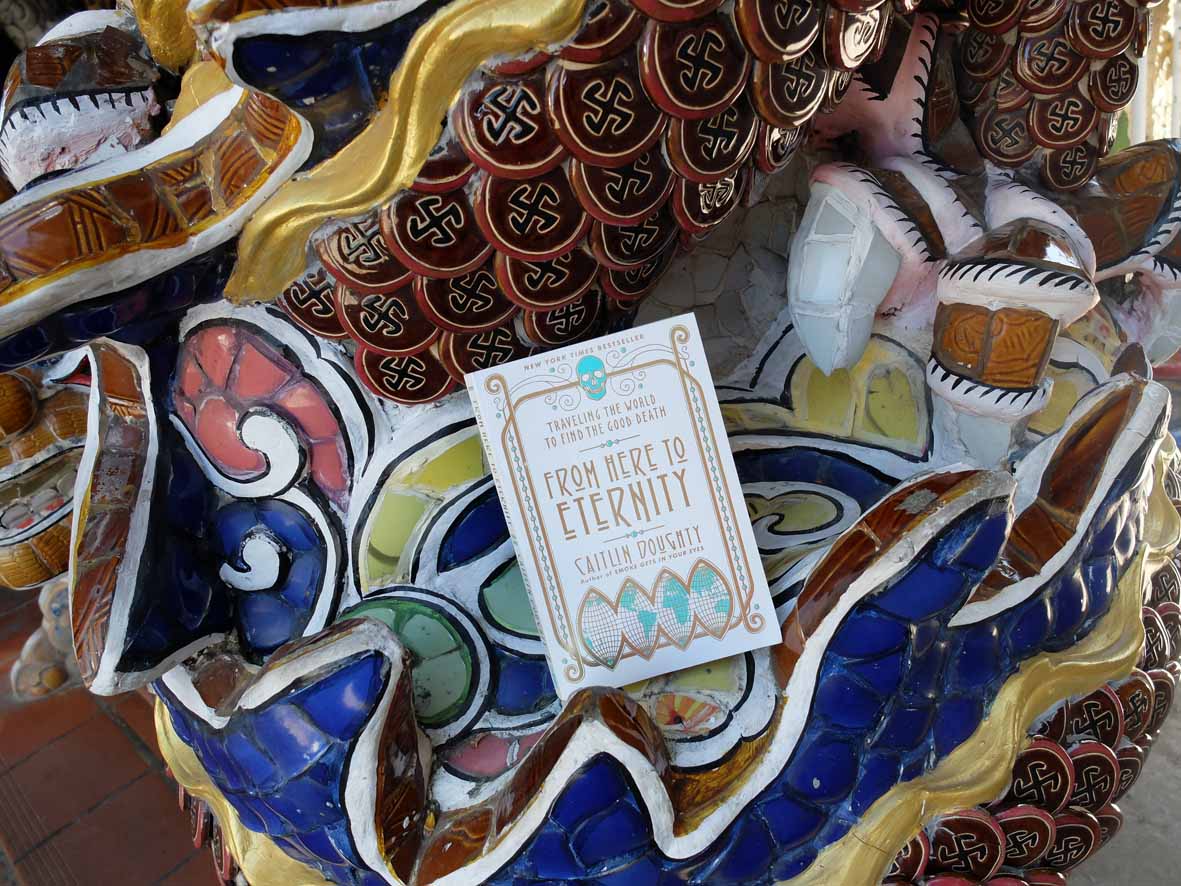
In ‘From Here to Eternity’, Caitlin Doughty, American mortician, “travels the world to find the good death.” From her experience running a funeral home in California, she says, “We have fallen behind the rest of the world when it comes to proximity, intimacy and ritual around death.” She is a passionate advocate for more connected, healing processes around contemporary funerary rituals. Her aim is, “to reclaim meaning and tradition in our communities.” In search of alternatives, she visits Belize where the question (posed by Luciano, local death attendant), “Hey, what do you want when you die?” is a part of every day conversation. She witnesses a spectrum from the more esoteric practices of mummification and living alongside the dead bodies of family members in Tana Toraja, Indonesia, to the low environmental impact experiments in ‘recomposition’ in North Carolina, USA. In beginners Spanish, I learned the question, “Donde son las momias?” At the time I wondered when I might need to use it. In this book, I discover several places where mummification is practiced and this phrase might come in handy. Doughty explores cultures that offer “tasks beyond the lonely, interminable silences” after the death of a child for example. Looking for inspiration to the community open pyre in Crestone Colorado and the ‘Dias de los Muertos’ (Day of the Dead) tradition in Mexico, she finds customs that could be adapted as an antidote to a western secular ‘denial of death’. She is an entertaining and forthright travelling companion who isn’t afraid to shine a light into what might be considered taboo.

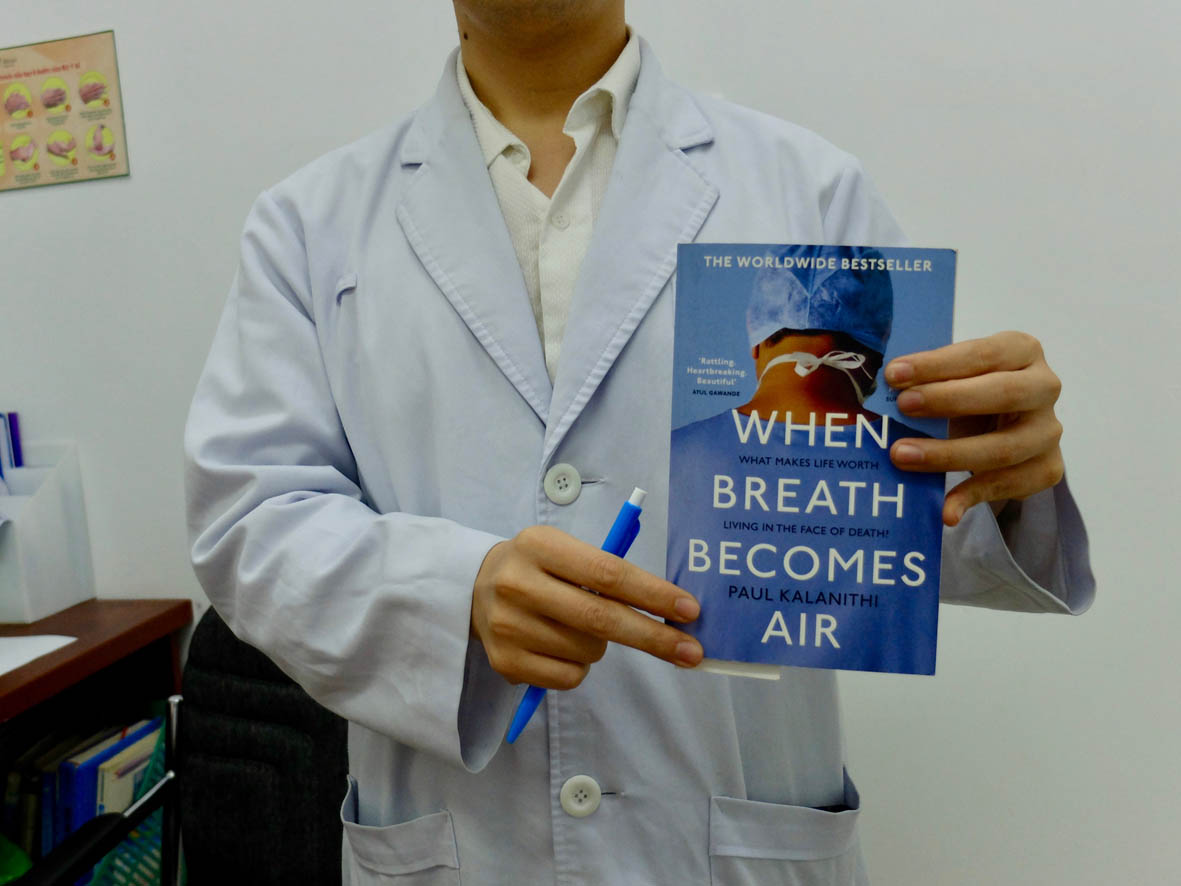
In his memoir ‘When Breath Becomes Air’, Paul Kalanithi writes with elegant clarity about his journey from euro-surgeon through cancer toward death. He writes with poignancy looking back at his life. First through literature, his family life, then medical training and neuro-science, he is “Seeking a deeper understanding of a life of the mind.” He struggles as a “Physiological-Spiritual Man” (Walt Whitman) to find a way, “that the language of life as experienced – of passion, of hunger, of love – bore some relationship, however convoluted, to the language of neurons, digestive tracts and heart beats.” A cancer diagnosis brings a different perspective to his life’s purpose as “the future I had imagined…evaporated.” He sees with new eyes as he experiences being the patient after years of being the doctor. He grapples to find, “What makes human life meaningful, even in the face of death and decay.” He seeks to act “as death’s ambassador,” to show us in both medical and human terms, “Here’s what lies up ahead on the road.” Kalanithi is unflinching in his portrayal of the feelings which make him afraid, frustrated and joyful. He says he “started in this career, in part, to pursue death; to grasp it, uncloak it, and see it eye-to-eye, unblinking.” This is a book about the responsibility those who care for us hold, and as a reminder for all those who will die. (If you think that’s not you, think again). He writes, “Before my cancer was diagnosed, I knew that someday I would die, but I didn’t know when. After the diagnosis I knew that someday I would die but I didn’t know when. But now I knew it acutely.”

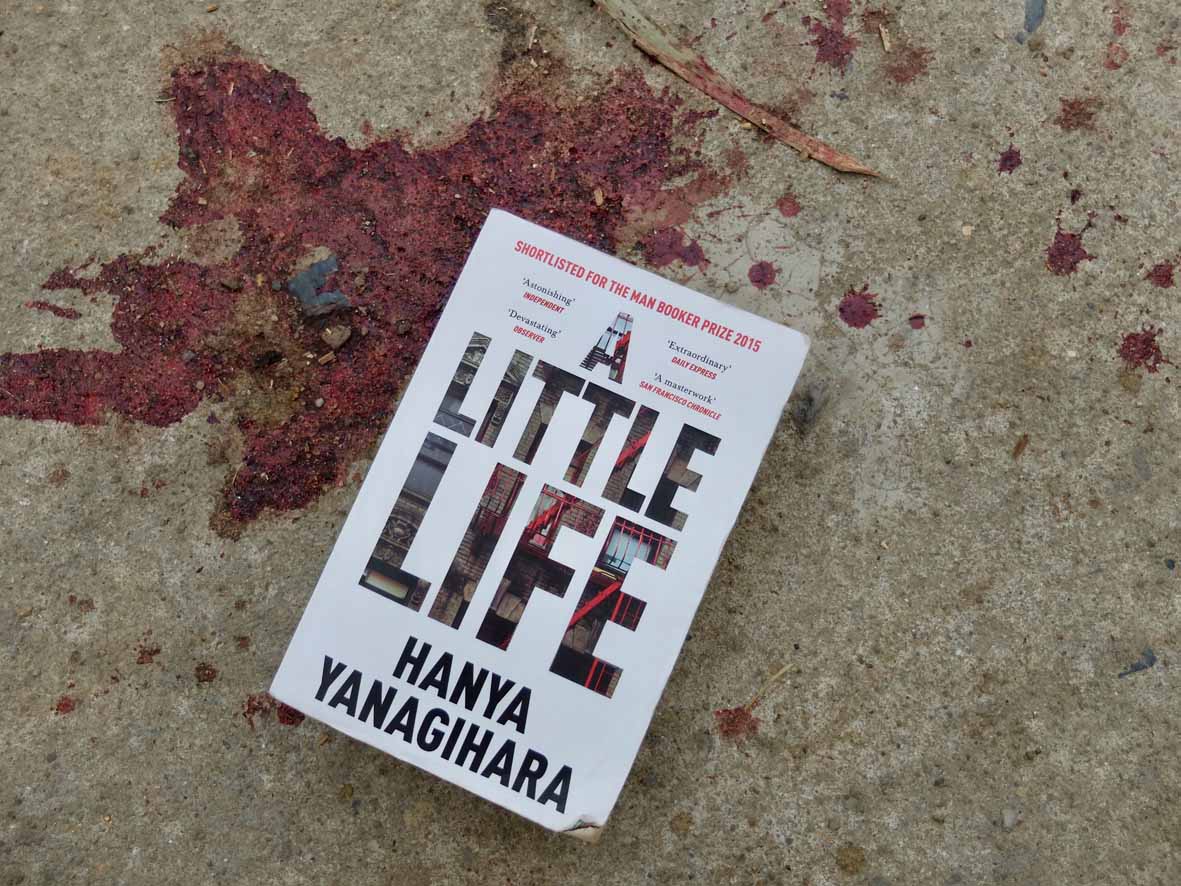
‘A Little Life’ is an epic tale by Hanya Yanagihara. It documents the lives of a small circle of close male friends, over four decades. I began it with trepidation, wondering if I would be bored with the lives of four American students, who at first seem unremarkable. The story slowly wriggles beneath the surface of the characters to discover their emotional struggles. As their lives interweave, what unfolds is a detailed depiction of the repercussions of both physical and emotional abuse. The novel explores shame graphically. With relentless detail it describes pain and suffering. Sometimes it goes beyond the bearable as a reader, but that’s the heart of what Yanagihara is trying to show. She takes us into the landscape of survival and of disability. It is a remarkable telling, ambitious in scope, sometimes too dramatic. I wanted the protagonists to make different choices. It’s an excruciating read, but it stayed with me, and I wanted to know how it would play out. Through reading to the end, I found an empathetic understanding of the link between abuse and shame that I had known but never really ‘got’ before. It also delivers a visceral examination of self-harm in the wake of trauma. It twins inner misery with outer lives that are against type, which makes an interesting paradox. I think Yanagihara also explores the criteria to measure success – outward achievements, overcoming physical wounds, or the capacity to endure – and how best to respond and relate to those who hurt. It is not for the faint-hearted.