

11 Feb A Manual for Heartache
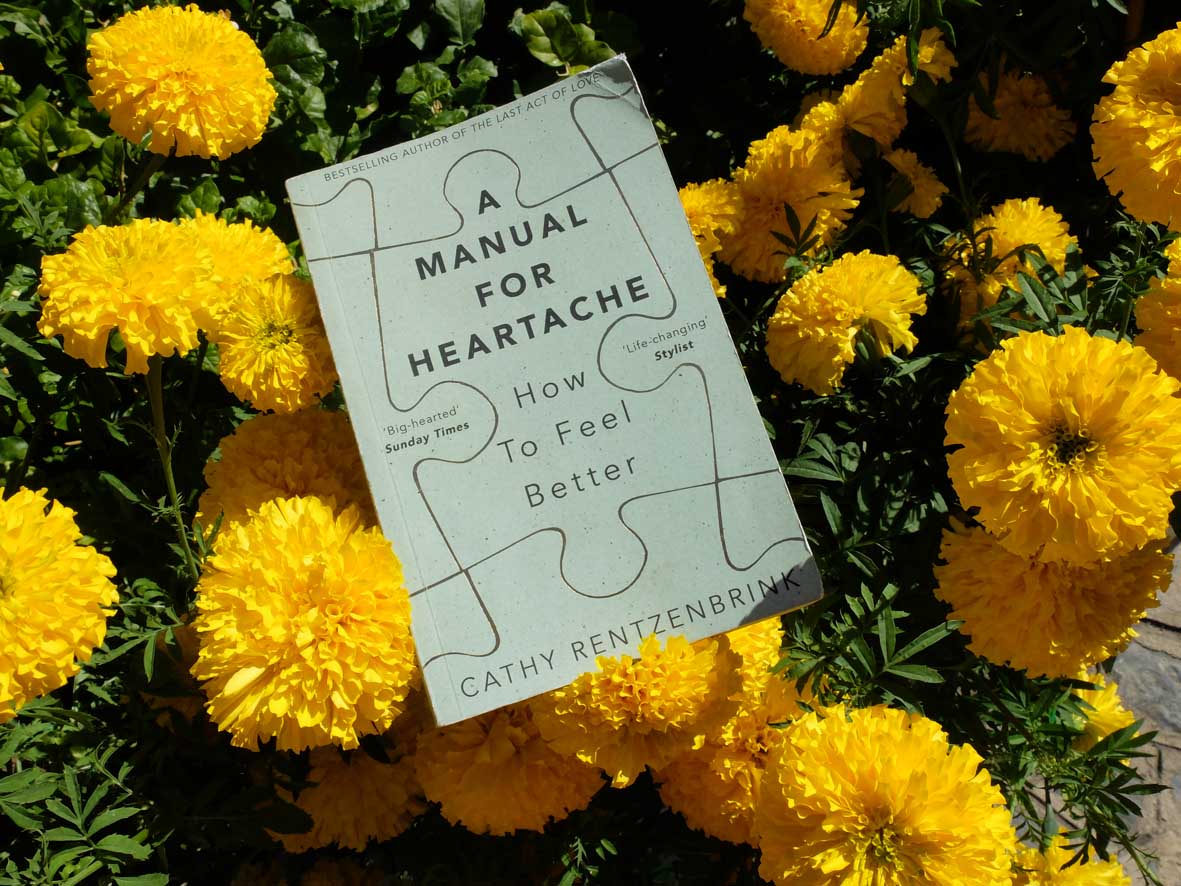 ‘A Manual for Heartache; How to Feel Better’ by Cathy Rentzenbrink, illuminates, a process of recovery, in not too many words. After her brother’s traumatic death, Rentzenbrink felt ‘stuck’ in grief. Looking beyond the content of her story, she finds what we all share. She explains, “all loss – from the untimely death of a loved one, through to the loss of innocence, all the way to having a bag stolen – feels as though it is specific to us, but is actually universal.” What she does brilliantly is describe nebulous territories like depression, shame, grief, and gradual recovery in metaphors that resonate. “Grenades come in all shapes and sizes,” is how she describes the impact of different deaths and traumas. And of crying, “Give in to tears, think of it like bleeding a radiator.” Although a self-confessed ‘Pollyanna’, I found her willingness to expose her vulnerability comforting. “I realised how many of us look as though we’re navigating life in an apparently successful or even happy way, yet are weighed down by burdens and exhausted from the effort of hiding our sadness.” She articulates “the pursuit of distracting ourselves from our pain, so chaos and destruction often follow in the wake of the first wound.” She also reveals how touching into her pain allowed a shift to happen. “And in daring to look again on the most painful scenes from my life, I also reconnected with the warmer, sweeter memories that had been trapped in the no-go area.” Rentzenbrink’s perspective is reassuring, but not prescriptive. She sees the holes in secular society, reaches for a meaningful weaving between grief and love, and ends by offering questions for the reader to consider.