Posted at 15:54h
in
Articles
by admin
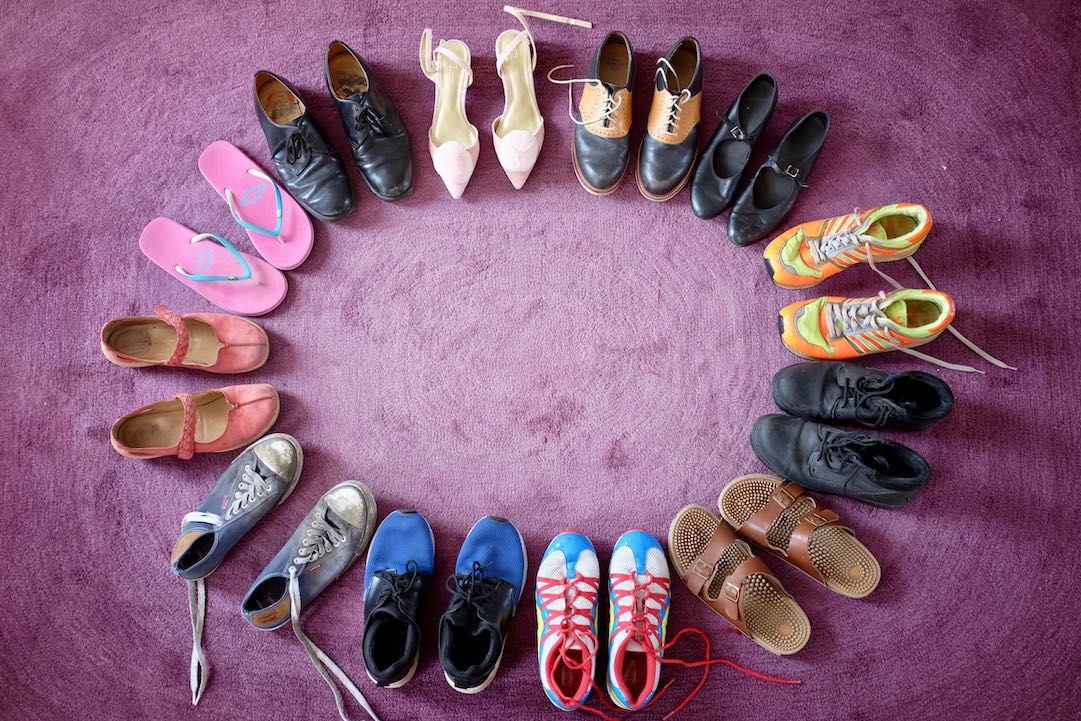
Embodied Support for Grief, Using Creativity, Ritual and Grief Circles
In today’s world many people long to return to places where grief is spoken of, where we can find connection and name our truths. There are many practices where a grief circle is central, and Grief Tending is one of them. In Grief Tending, we set an intention to move gently towards feelings. Before a grief circle we use exercises that help to make people feel comfortable enough with the process to be able to participate. A grief circle is a ritual where feelings make be expressed. At the end we use practices to move back to rest and digest mode, to soothe our nervous systems once the grief circle is complete.
Our Ancestors’ Circles
Since people have been on this earth, they have gathered in circles. Our ancestors sat with a fire at the centre, and the crackle of logs, the scent of smoke. People all over the world and throughout time gathered to find warmth, tell stories, sing songs and speak from the heart. In places and organisations where we depend on plastic chairs, and electric light, rather than the glow of a fire, we may long to return to the practice of gathering in circle in nature. Despite modern environments, grief circles continue to be meaningful to participate in.
Grief Circles in Grief Tending
In Grief Tending we include embodiment, creativity and ritual in our events, and the way in which we bring a grief circle. When we practice Grief Tending, we often use a grief circle as the central part of the event. When we meet face to face, we use a variety of central practices to express feelings, including grief circles.
A Trauma Sensitive Approach to Grief Circles
Working with a trauma sensitive approach, we structure events so that exercises to focus on embodiment and support happen before a grief circle. During a grief circle we encourage people to take care of their needs. Sharing is always optional. It can be a big step for someone to risk being vulnerable, and be witnessed in a group setting.
And then soothing and integration practices happen after a grief circle.
The Circle is Democratic
Sitting in circle is an ancient and simple format for sharing with others. It creates a non-hierarchical form that can be democratic. Although a grief circle may have a facilitator, they are not above or below anyone else in the space. The voice of each member can be equally represented and heard. In the role of grief circle facilitator, I may share my experiences in the circle (when time allows), which participants often appreciate. Because this mirrors the universal nature of the experience of grief. The facilitator is also part of the circle whether they share or not.
Grief Tending in Community
Grief Tending is a practice that happens in community, and during an event we will make and return to a circle together repeatedly. We invite participants to be part of the holding container, so that each person will at times be a holder, or step forward to express themselves in some way. People who are in the holding role give their attention to witness and acknowledge someone who is sharing something. The person who takes a turn to step into the being witnessed role may speak or sound, sing, move or be silent.
If this is speaking to you, to find out more about the practice of Grief Tending here. And the grief circles we hold here.
Unspoken Truths
People often share things in a grief circle that they may not be able to in other contexts. They may reveal something that they have never told anyone before. There may not be words but feelings that are expressed through sounds, tears, body movements. If it feels safe enough, people may voice something, and through it being seen and heard by others, it can have a transformative effect. Being witnessed can be a very powerful experience.
The Role of Witness
Stories that have been kept secret or feel shameful may be received with the supportive attention of the circle. We invite the group to acknowledge what they have witnessed with simple words, “I see you,” or “I hear you”, but not to offer advice. One at a time people share, and the group receives them and responds without judgement. Hearing one another can be an extraordinary experience too. As Kelly McGonigal puts it, “Listening with your whole body except your mouth”. In the Grief Tending circles we hold, the listeners do not offer reflections or ‘cross talk’ with their own responses to someone else’s story.
How Does a Grief Circle Work?
In a grief circle our experience is welcomed, given space, and seen. Turns to share may be taken starting in one direction, one person after another. Or people may be invited to take turns ‘popcorn style’, whenever they feel ready. In a small group everyone may have an equal turn to share. This may be timed, so that the group’s time is divided equally. Even a small amount of sharing time can be useful. There may be a talking ‘stick’ or a sound, to mark the beginning or end of someone’s time to share. In a large circle everyone may not take a turn to share something. This will depend on the time allowed, the group’s intention, and the agreements set before the circle begins.
The Role of Sharer
Stepping into the role of sharer can feel very intense. As a consequence of previous history, being an introvert, trauma around groups, or being seen, can make this feel either a bit scary or extremely challenging. In the groups we hold, sharing is not an obligation. People may pass if it is their turn. Choosing to take a turn, but remain silent is also a valid way to use the opportunity. It is often the case that people have felt alone, ashamed, overwhelmed, not good enough. But when they share their real feelings with the grief circle, they discover that other people may have similar feelings or experiences.
Vulnerability Builds Connection
Through someone making themselves vulnerable by revealing their inner experience, this deepens and strengthens the connection felt in the group. In response to what has been shared the participants of the holding circle often feel empathy. This can lead to a sense of compassion between people for one another. As a consequence, they may each begin to recognise some similarity in the way they feel. Common themes may emerge amongst participants. As a result, this increases connection between group members.
We Deserve Kindness
Through the grief work that I do, I see windows into people’s inner lives. I regularly see that we are fierce keepers of our hearts to protect ourselves. We often judge ourselves more harshly than others. Many people are scared, anxious, and ashamed. Our inner critic take control, undermining our sense of self worth and confidence. Our unattainable expectations, inner perfectionists and not-good-enough imposter syndrome ties us in knots that keeps us restricted and small.
People Deserve Respect
Recognising this in others can help us see that we also deserve kindness, respect, and a chance to be seen. Malidoma Somé speaks of people’s natural longing to shine:
“Whether they are raised in indigenous or modern culture, there are two things that people crave: the full realization of their innate gifts, and to have these gifts approved, acknowledged, and confirmed. There are countless people in the West whose efforts are sadly wasted because they have no means of expressing their unique genius. In the psyches of such people there is an inner power and authority that fails to shine because the world around them is blind to it.”
Malidoma Patrice Somé The Healing Wisdom of Africa: Finding Life Purpose Through Nature, Ritual, and Community
The Context That Grief Happens In
Events which spark grief happen to everyone. But they always happen in a context. It is not just the impact of the event itself which may cause grief, but how it was handled afterwards that may have added to feelings of not being held, seen, or protected after the loss or difficult situation. People often arrive in a grief circle after experiences which have not been received with the care and unconditional love which support healing. Therefore, with the holding provided by the members of the group, this is another way in which a grief circle can have a strong and healing effect. Sophy Banks talks about the context of grief in relation to the landscape of trauma in her work on ‘Healthy Human Culture’.
Every Loss is Important
In a grief group it can be tempting to feel that what someone else shared is more important than what I bring. But each loss is important, a true expression of feeling. Consequently, this spectrum of different experiences, and variety of ways of expressing feelings adds value to the whole. I like the image of a jigsaw puzzle. We each bring a different piece. Through each person’s contribution, and the diversity of the group, we make up a more whole picture.
Grief Circle Agreements
Setting up a grief circle requires careful boundary setting. When we facilitate a grief circle, we make agreements with the group beforehand around self-care, confidentiality and mutual respect. This is essential so that people may feel safe enough to participate. We aim to give clear instructions about the different roles of witness and sharer. We also try to give permission for people to be able to respond to the space in a way that works for them.
Boundaries in a Grief Circle
In addition to this, we make clear boundaries about start and end times, as well as making sure we can be in a private space, where we won’t be interrupted. According to the limits of event length, allowing an equal time limit can be a helpful way of maintaining equal value of each participant.
A grief circle can work really well online, as well as in person. In both formats, we like to make a clear threshold at the beginning and end of a grief circle. We usually invite the participants to breathe or sound together so that we begin a process of attuning to one another. Silence is also valuable as we move into a grief circle, but it can also allow the group to drop into a deeper level together.
A Grief Circle is Where the Magic Happens
For me, the trust that has been created before a grief circle starts is crucial. The openness of the participants, the willingness of people to bring their vulnerability, and the capacity of the facilitator to hold the space, all add to the level of communication that the group collectively arrives at. There is also an element of mystery which it feels important to acknowledge. When people come together in a grief circle, something magical can happen. In addition to the conditions that have been set up, the dynamics of each group creates something unique.
Each Circle is Different
I have sat in circle many, many times, and each time it is different. Often there is a huge spread of different kinds of sharing, and sometimes themes emerge spontaneously. There can be a lot of difference between people or similarity. Whether it is large, or small, each circle has been valuable. And witnessing others is just as important as having a space to evoke feelings.
I am Not Alone
When we sit in a grief circle with one another, we may see how other people feel about themselves, which may help us be kinder to ourselves. When I hear that other people share my concerns for the things that are happening personally, locally or globally, it helps me to feel that I am not alone. In addition, I may gain a new perspective by recognising that it’s not just something that only I feel. It’s so easy to make judgements about others, to project our idea of who they are onto them, until we hear about their inner life, or the challenges that they are facing or the history that they carry.
Different Kinds of Sharing Circle
There are many different kinds of sharing circle. They may happen in a village, with an elder or leader, amongst peers in an existing community; or amongst strangers with a facilitator. Many different kinds of groups and organisations use this simple format, because it is as old as the hills and it works. A sharing circle may have a specific theme, such as grief, or a specific client group, such as people who live in this community, or people who have experienced bereavement recently. It is used for conflict resolution work, and for relating with others in many kinds of self-development work.
The Way of Council
‘The Way of Council’ is the format which underpins the grief focussed circles that we hold. Although in a Council, people may be invited to bring whatever is alive for them on any theme.
“The heart of these practices – of listening, learning, living and thinking like a circle – are needed now more than ever.”
Ways of Council
I echo this call for circles, the importance of listening to one another, of sitting with our truths, and the transformative power that this can have in our wider communities.
Grief Tending Often Includes a Grief Circle
In Grief Tending, a grief circle is one of the shapes we use. We may use other rituals according to the physical space, the number of participants, and the length of retreat. And in a Grief Tending circle we welcome different styles of expression, not just words.
You can find more about upcoming Grief Circles and other Grief Tending events here.
Sarah Pletts is a Grief Tender and Artist who offers workshops in London and online, sharing rituals where grief on all themes is welcome. For more information about Grief Tending see www.griefsupport.org.uk .