
Author: admin

I have learned to look beyond the wallpaper at the care home. This wing – built in 1975 was last decorated when wallpaper borders were in fashion. It is a place outside time, where aesthetics are not the priority. “Is this real?” my friend asks regularly. I find it hard to answer this question. Yes in a practical sense, but perhaps not if all life is illusiary, philosophically speaking. He has sometimes asked me to describe the wallpaper as a way to gauge whether we share the same reality. What matters here is doing what’s needed, kindness, but mainly being. Our society values doing. I come here, witness how when doing is stripped away, being, kindness and love take centre stage.

I love the coming of our weekly veg box. I love the feeling of virtue that arises as I unpack the glorious array of earthy colours. I have read the list, made choices, added extras, but is still surprises me. This time a magnificent Romanesco cauliflower arrives – a ziggurat of vibrant green crenulations. I want to paint it, to wear it, to venerate it, and then to roast it. “Why can’t we have normal vegetables like other families?” the pizza eater asked.

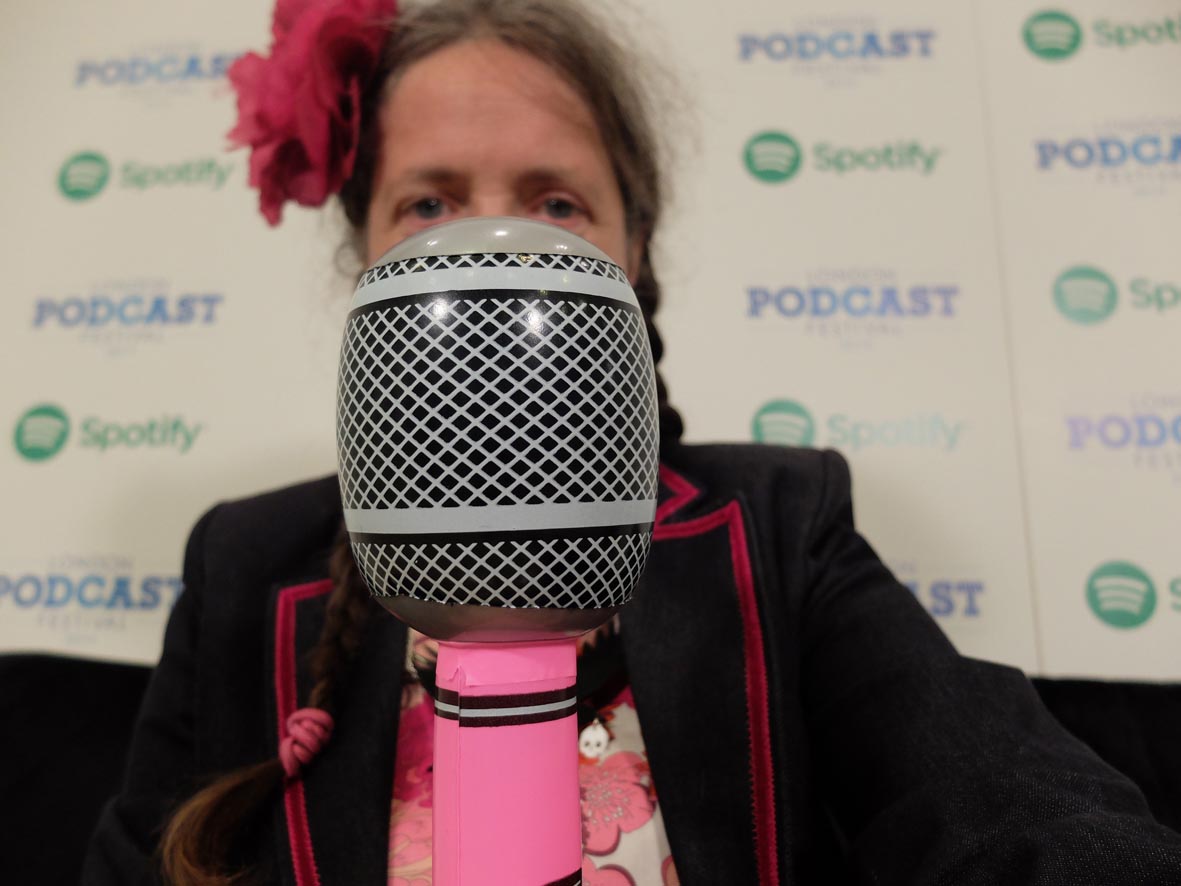
I often listen to Cariad Lloyd’s chatty podcast. She talks to comedians about grief and death. At the Podcast Festival I watch a live recording of ‘Grief Cast’ featuring Keemah Bob, Jenny Bede and Tom Parry. Cariad is personable, asks questions which invite saying the unsayable in a very natural way. In response we laugh at the pomp of social norms around death, share dark tales of funeral meets lavatory humour and demystify the secrecy around the process of death and dying. Afterwards I play at interviewer, re-wind the questions in my head.www.cariadlloyd.com/griefcast


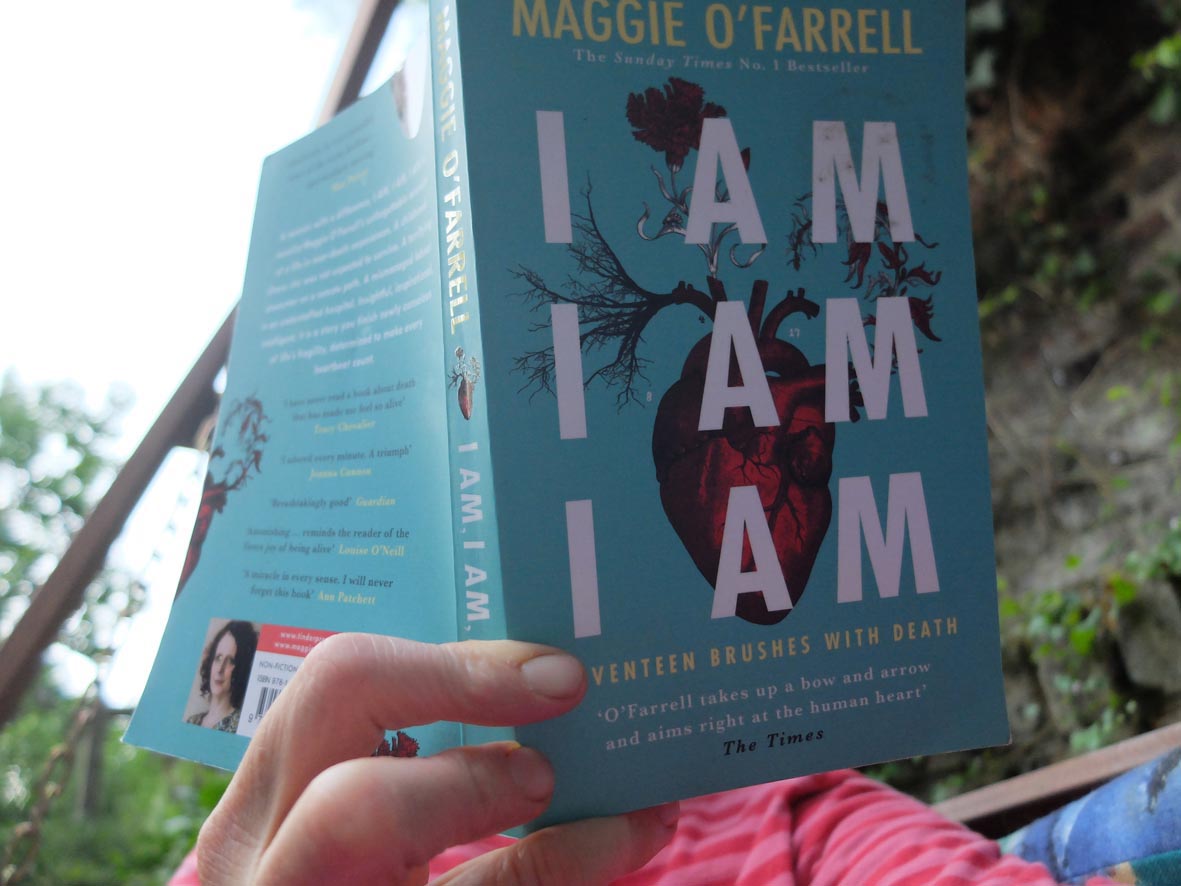
This is a brilliant book about life. I gallop through the seventeen brief encounters with the fragility of the human body in Maggie O’Farrell’s ‘I Am, I Am, I Am’. It’s beautiful words capture pivotal moments in her family life. Something happens, or doesn’t happen, but each recounting of an intimate incident leaves me catching my breath, counting my own lives and lucky stars.

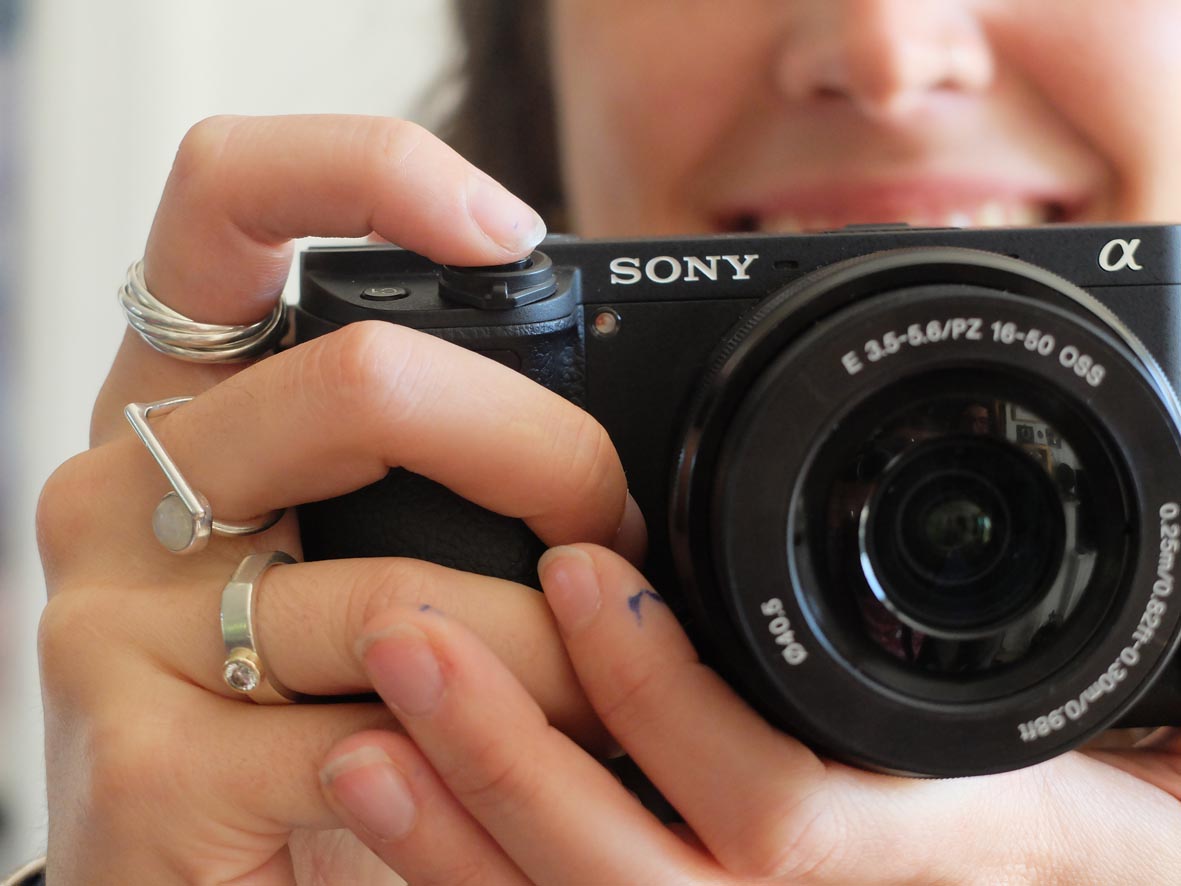
Usually the documentarian, this time I am under scrutiny. Our smiles mirror through the lens. I wear only one silver ring, my fingers often marked by ink. The words that waltz and foxtrot daily in my head unexpectedly tumble out in torrents. I am excited by the problems behind the enquiry. How do we welcome in mortality? How can we reclaim a deeper knowing of the cycle of life and death? What is the most effective way to change our relationship with grief? My unbridled ideas pour out, some of which may snag on the researcher’s hook to be reeled in.

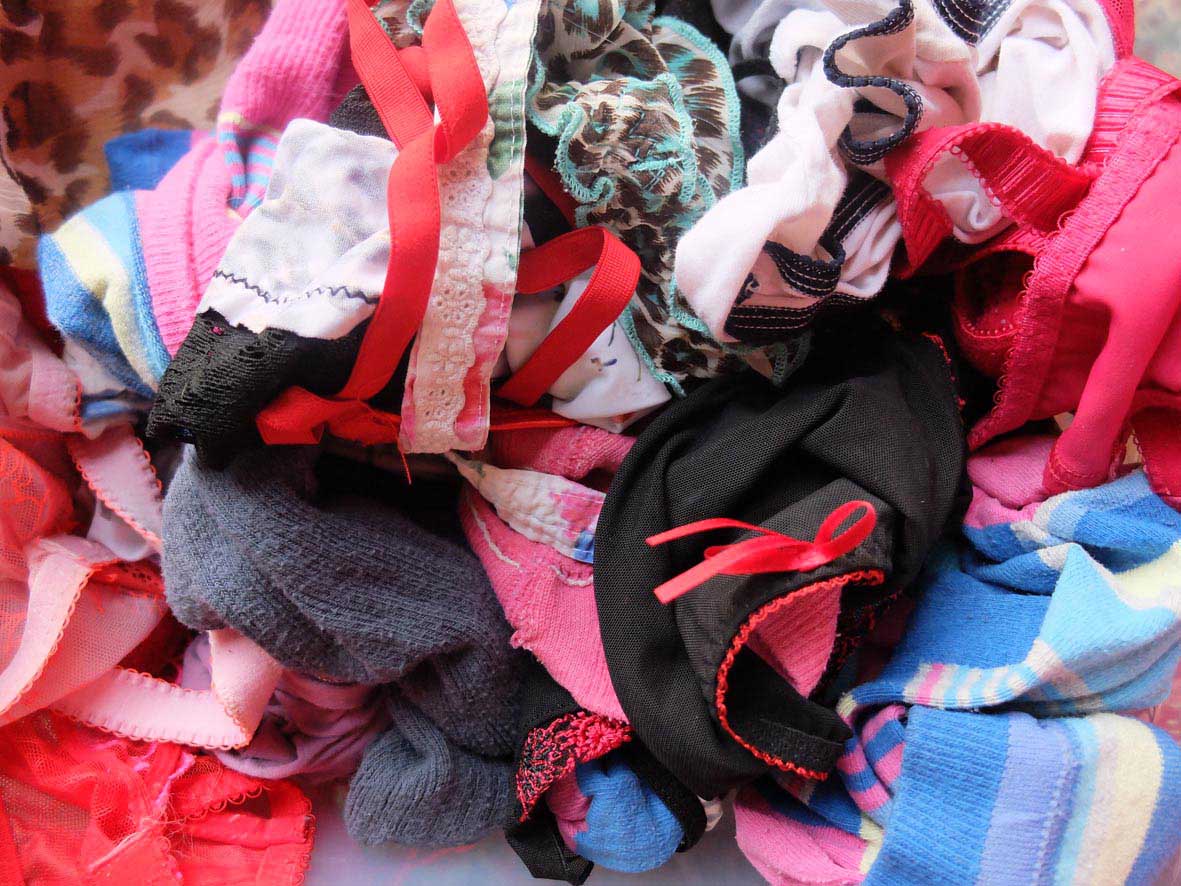
We saw ‘Fleabag’ in the muggy dark, holding hands at the local screen; my first time seeing live theatre at the cinema.  Long after we have laughed and cringed at the subsequent two TV series, this is the original monologue. It is darker, funny yet bound with grief and shame. A metaphorical rummage in Phoebe Waller-Bridge’s underwear drawer. The tiny strappy ‘Agent Provocateur’ type stuff uncomfortably nestles with big knickers and woolly tights. While she sits or hovers centre-stage on a stool, the technology of live broadcast reveals every artful twitch and grimace of her face. A whole slew of emotions play out between her mouth and eyes, while we gasp.

I celebrate the love of these two beings – mother and daughter. Love that connects them, and reflects back to me. I feel passionate about the need for appreciation between generations, for the things we each have to offer the other. I know some awesome young people that bring me hope. I see their gifts are not always appreciated and I wonder how I can bring the best of myself to them as I learn to be an elder.

Early memories of childhood include examining the flowers that blossomed in the neat borders of our house. This was one of my father’s passions – his collection of perfectly formed flourishing flora. I gazed then at the complexity and precise beauty of a passion flower. The symbolism adopted in the middle ages by devout priests in the Americas will have suited his piety. For me, their form symbolises nature’s brilliance her razzle dazzle mating ritual and extraordinary microcosmic architecture.

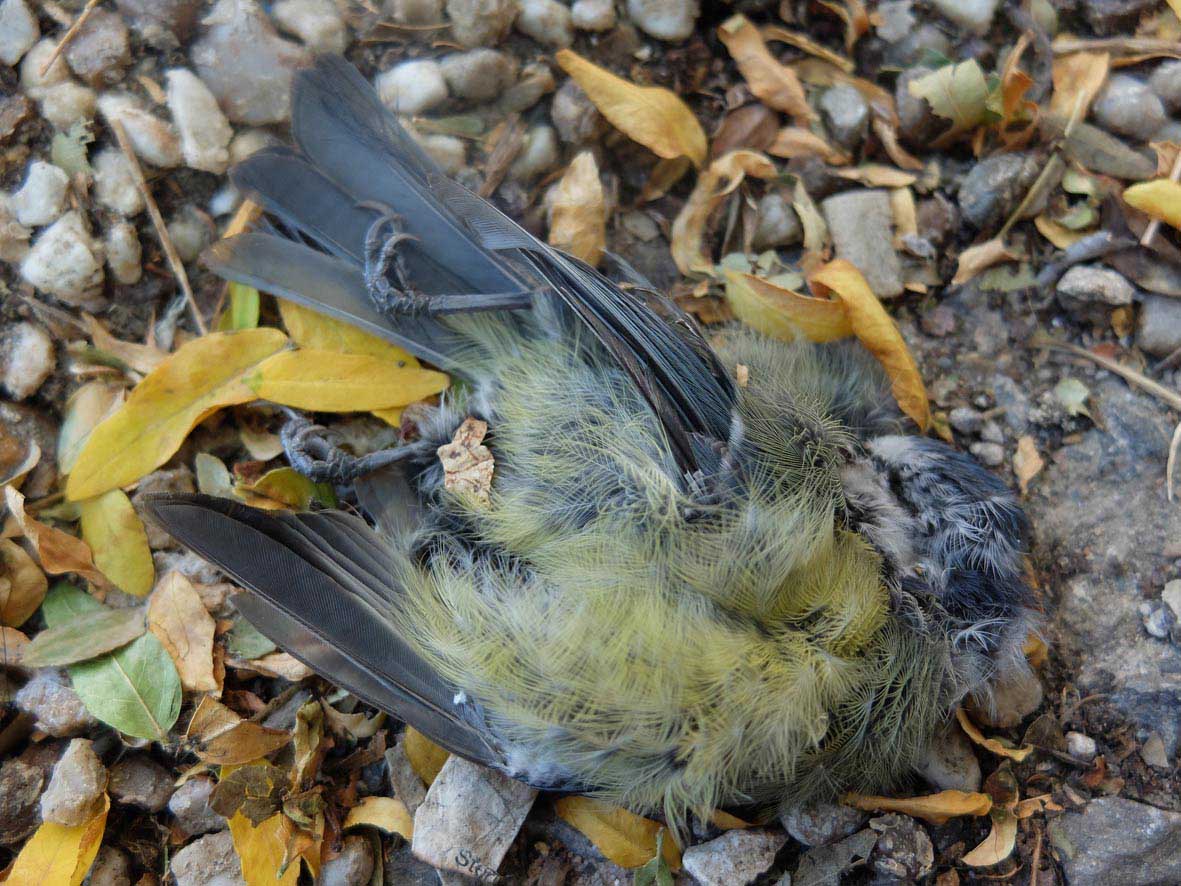
‘Oh willow, titwillow, titwillow!’ I hum the Mikado instinctively. Here you lie amongst pavement detritus, an inauspicious grave. You lie in a feather deathbed of your own delicate prussian blue and lemon yellow feathers. Did a predatory cat hasten your end? I sit writing with a feline occasional assassin on my lap. This is one of Britain’s unpalatable and unverifiable conundrums. How do a nation of cat and dog lovers deal with this possibility. The RSPB quotes “the Mammal Society estimate that cats in the UK catch up to 275 prey items of which 27 million are birds”. Or was he homeless – a victim of loss of habitat? Poor titwillow.

There is a blueprint for living within our means. Examples of cultures living by taking only what they need, of sharing, of co-operative community are described. We hear from indigenous representatives – from Ju|’hoan (Khoisan), Idu Mishmi (India), Bishnoi (India), “We don’t conserve, it is our way of life that conserves,” says Kitelo Chongeywo, Ogiek (Kenya), “the future is all of us being sustainable”. Despite the restriction of the learning environment (school desks, lecture theatre, power point presentations) we find moments to sound together and to make eye contact, to hope for solidarity. www.flourishingdiversity.com