Blog

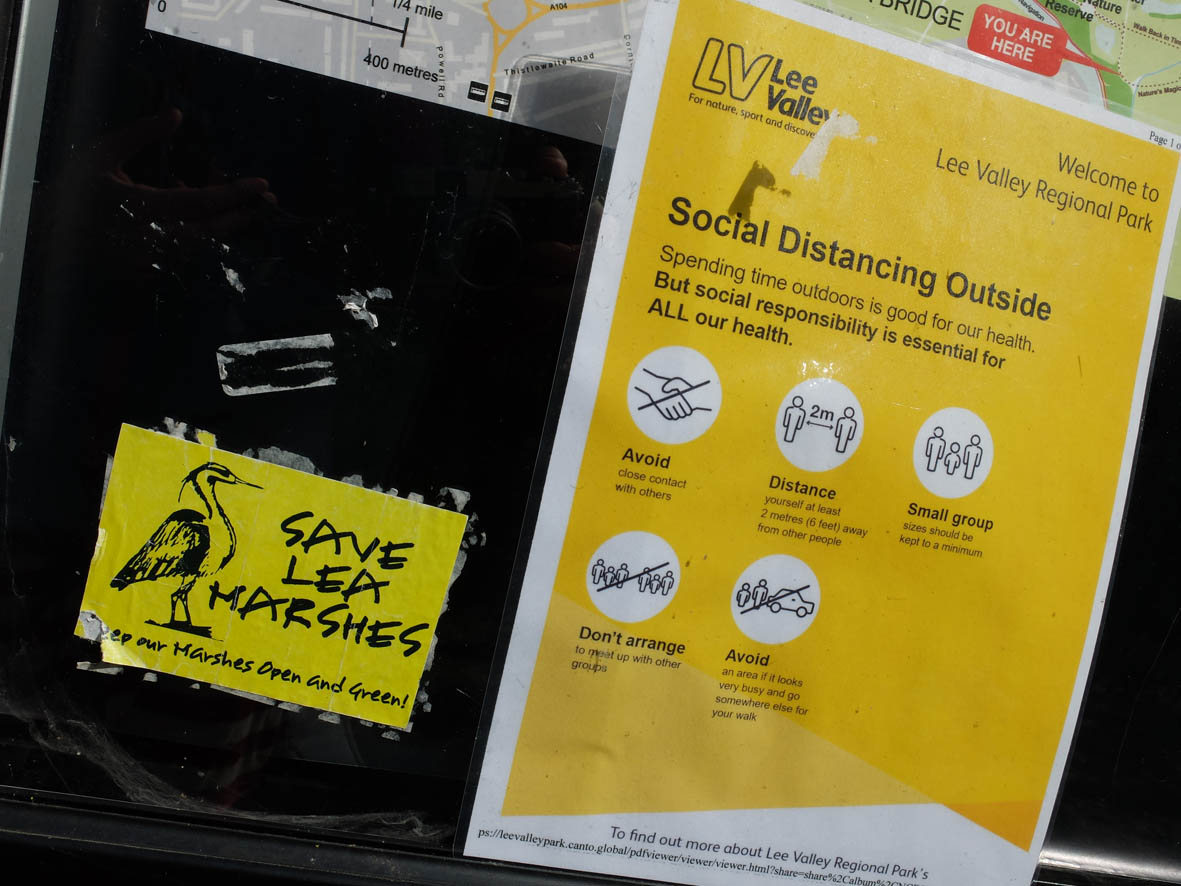
There is a change to our regular physics of interaction. Like pairs of magnets, people are either driven together or pushed apart. It feels as though each household is trying to find a new equilibrium through being alone and seeking ways to reach out, or being together and seeking autonomy. Sewn into my wedding shawl, my mother embroidered me these words by Khalil Gibran, “Let there be spaces in your togetherness”. They speak powerfully to my need for ‘self-regulation’ time alone. We walk as a pair on the marshes observing a strict two metres from other members of the local community. We dodge people on the pavement as though we are avoiding the cracks. At home we come together in a group then break apart, creating an ebb and flow of connection. This motion allows us to share food, build conversations, cuddle up, but then we return to our individual spaces to work, to be creative, or to contemplate. I imagine a cosmic eye observing this molecular pulsing dance.
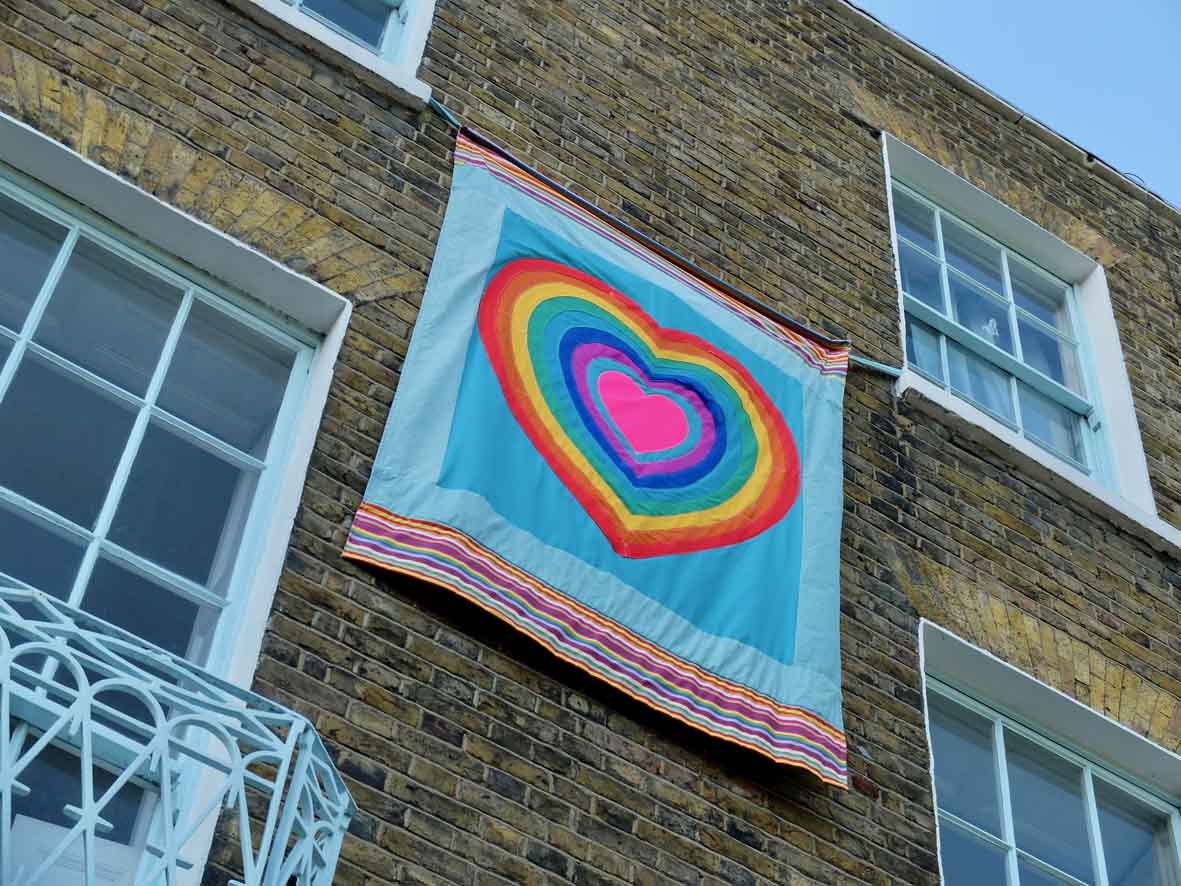
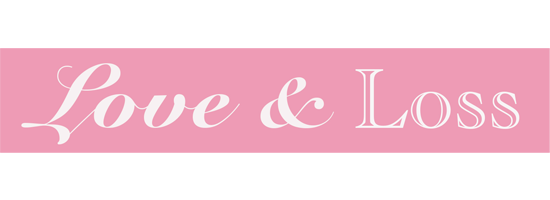
I am not a key worker. I am not experiencing a life endangering situation. This household is currently well. I am conscious that anything may change at a moment’s notice. I am choosing not to take more risks than necessary. However, this leaves me feeling powerless and impotent. I feel as though I am not offering much to my local community. I love seeing pictures of rainbows made by children appear in windows as I walk past each morning. So, I made this banner to offer a simple expression of love, of solidarity. Some people look and smile as they pass. It felt as though this was something I could actually achieve. I hope it may serve as a reminder to value kindness, and to feel connected.

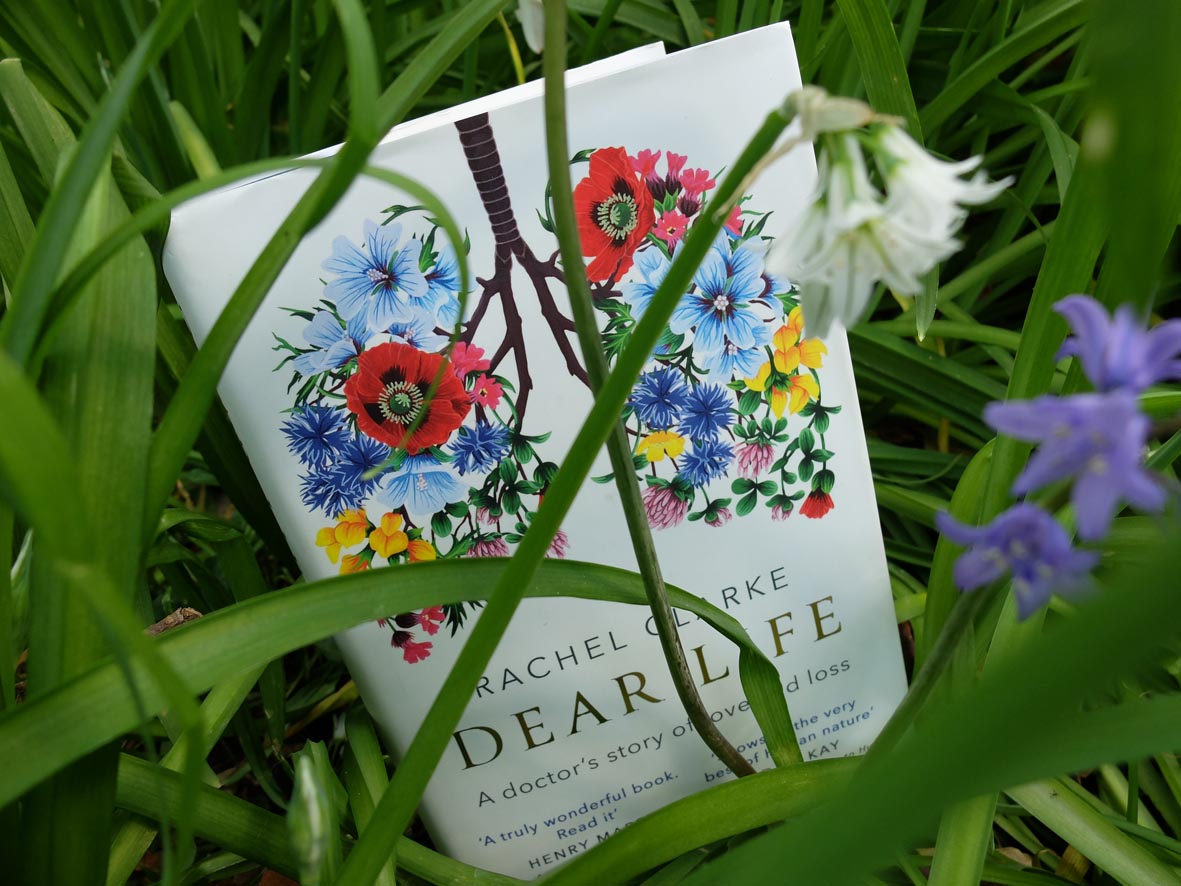
“In navigating this complex web of fact, fear, imagination and physiology, a palliative care doctor is a scientist with a hint of shaman.” Rachel Clarke is one of these scientist/shaman working with the living, who happen to be dying. In ‘Dear Life’, she manages to articulate the challenges of being a medical doctor with a big heart on the front line of end of life care. She takes us with her, on her journey to become a doctor, combined with the roles of mother and daughter. It is her warmth as a person that comes through in her writing and allows us to connect with her experience. She recognises the importance of fundamental values like kindness, listening, and as she puts it, “patient, not disease, centre stage”. She is a representative of an underfunded sector of an under-funded NHS, a pragmatic yet passionate doctor. She recognises how, “patients oblige, comply, obey; they cannot risk dissent when so much power is concentrated in medical hands.” She is a powerful advocate for “small acts of kindness, and simple touch to transcend primal fear.” She doesn’t shy away from facing issues of ‘desperation medicine’, which is a tempting treatment avenue to follow when including death in the conversation around life-limiting conditions is avoided. She is wise and understanding as she accompanies patients and their families, navigating hospice life together. “I forgot how much it hurts to love someone while losing them”, she admits. Her descriptions of the vibrant life on a hospice ward are inspiring and life affirming. She shows us what is possible in the face of difficulty. “In the absence of cure there is still love, joy, togetherness, smiles, tears, wonder, solace – all of life, only concentrated.” Her own grief unfolds through the narrative when her father is diagnosed with cancer. This becomes the lens which deepens her clinical practice and reminds us that “grief, like love, is non-negotiable”.

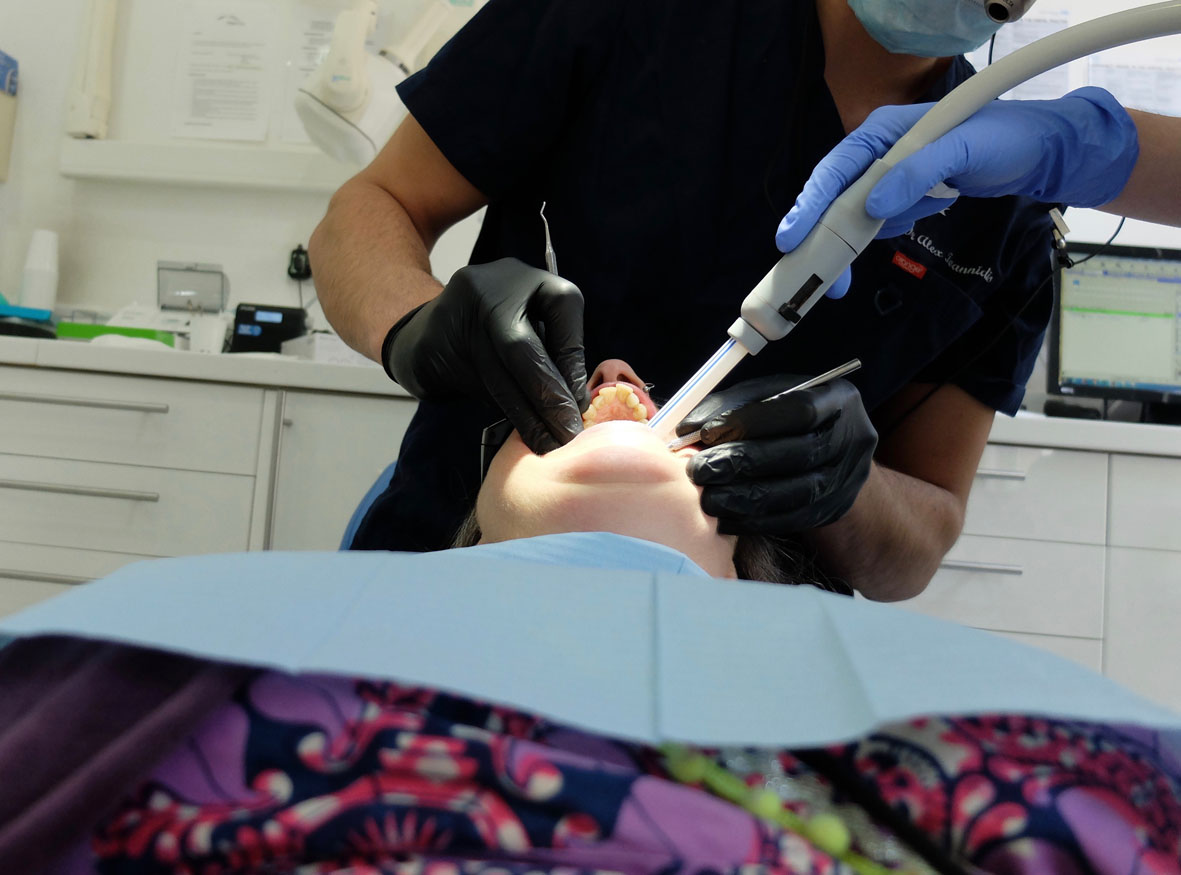
“You really look after your teeth”, were the muffled words from behind the mask. “I need to”, I think but don’t say, as I reflect on my complex dental history. I am extremely grateful to this unfamiliar dentist who is peering at the hole in my mouth where a crown has been dislodged. A sharp edge on the remaining fragment of tooth is lacerating my tongue. He wrestles to fit a metal clamp over my tooth in thick black latex gloves. I would smile if I could at the choice of pink dental dam. I am lucky. Not only does my dental practice have an emergency clinic during the ‘shut-down’, but this particular dental problem does not require an ‘aerosol generating procedure’, ie drilling. Tooth drilling is only to be carried out in the most extreme emergencies according to the latest government guidelines. I recommend spending the extra time to brush behind that wonky molar, to floss or use a tee pee. This dentist anticipates that routine dental care is unlikely to be available for months ahead. I shall be nibbling carefully next time I eat a piece of rustic toast, and will brush diligently afterwards.

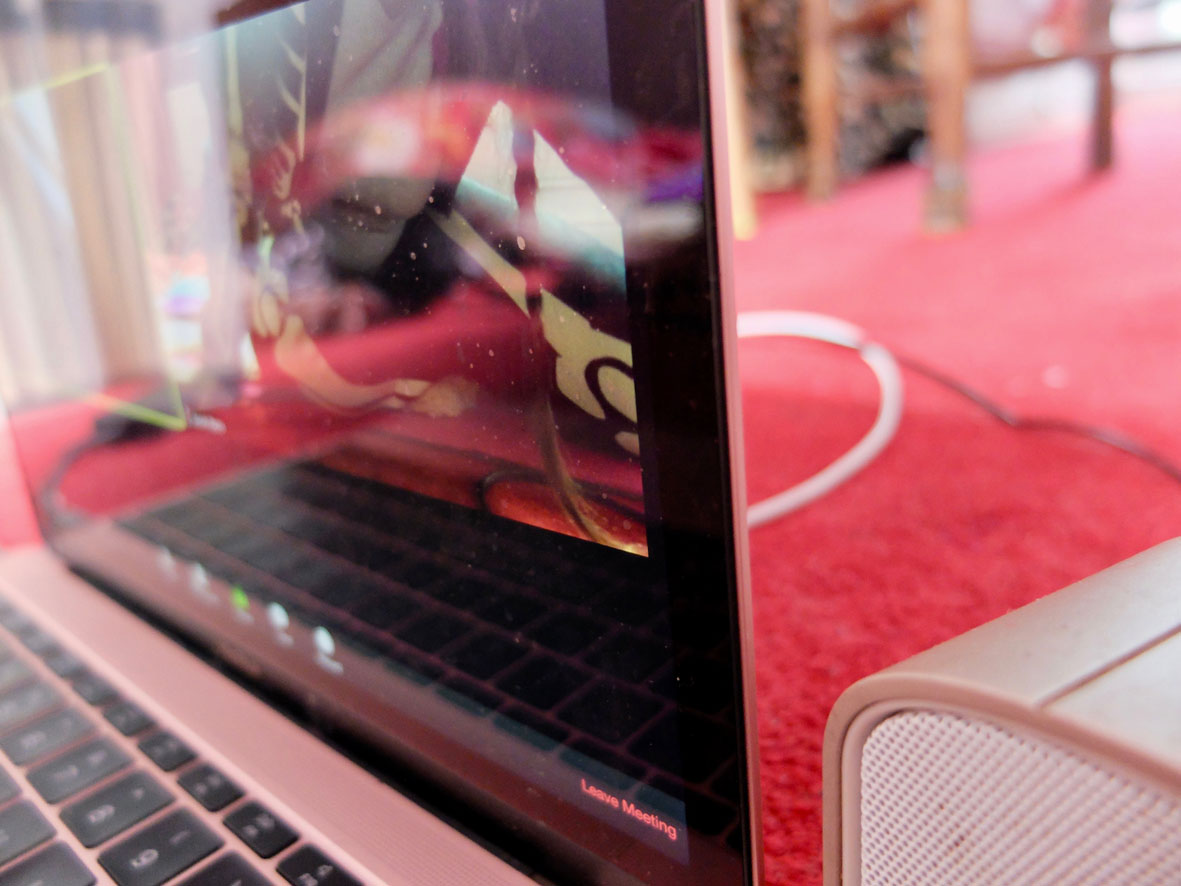
I am devoted to connection face to face, through touch, heart to heart, and in community. Restricted from happening in person, meetings beyond our household now take place on line. From the vantage point of my childhood, we are now in Star Trek technology. I feel deeply conflicted about virtual engagement, but also see the advantages of connecting far and wide without leaving home. Those who can’t afford or can’t cope with the technology are penalised. I feel reluctant about holding space on line. Others lead as I join meetings, share feelings in this way. Communicating using both face and the sound of your voice hold me closer than a disembodied voice alone. Recently I have followed my Pilates class, while seeing the décor of each student’s home. I have lain under a blanket while others snuggle up elsewhere for a sound bath. I have breathed with a screen full of other open mouths and rising chests. I have attended work meetings with participants across the UK, and I have jiggled as a tiny form on a tessellated screen with dancers around the globe. I am curious to watch how our digital selves will evolve. Most of all I value the people I am lucky enough to be in proximity to. Opportunities for skin to skin connection, for conversations within two metres are highly prized.

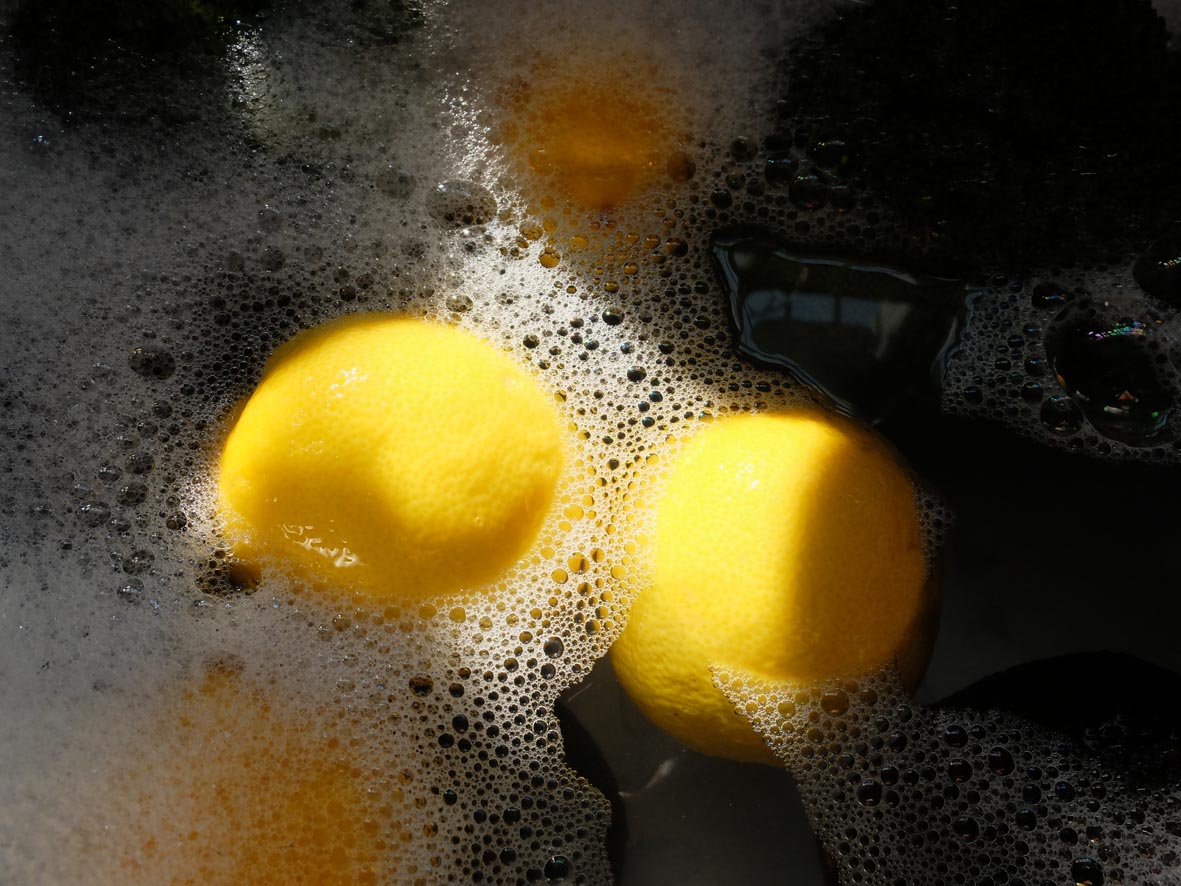
Many things that are not essential have been foregone. Enough food is fundamental. Now each item on the shopping list must be considered and foraged for. I feel as though I am giving each provision due thought, attention and gratitude. A month ago, we had a surfeit of lemons. I froze a bag, and since then have been grating frozen lemon onto dishes and into mugs of hot water. Today we bought more lemons. Hygiene protocols mean that we wash each item that comes into the house. Tony efficiently presides over the sink as our ‘Supplies Operations Manager’. I admire the spectacle of sunlight playing on zest. Lemons, then broccoli and leeks jostle in soap suds. I cook supper. Ingredients are invited like favoured guests to join our culinary spread. Each flavour is a valued addition. Shades of green from roast fennel to avocado and spinach salad with pesto dressing decorate our plates. Mushroom and coconut sauce on pasta spirals completes the tableaux. ‘When life gives you lemons…’

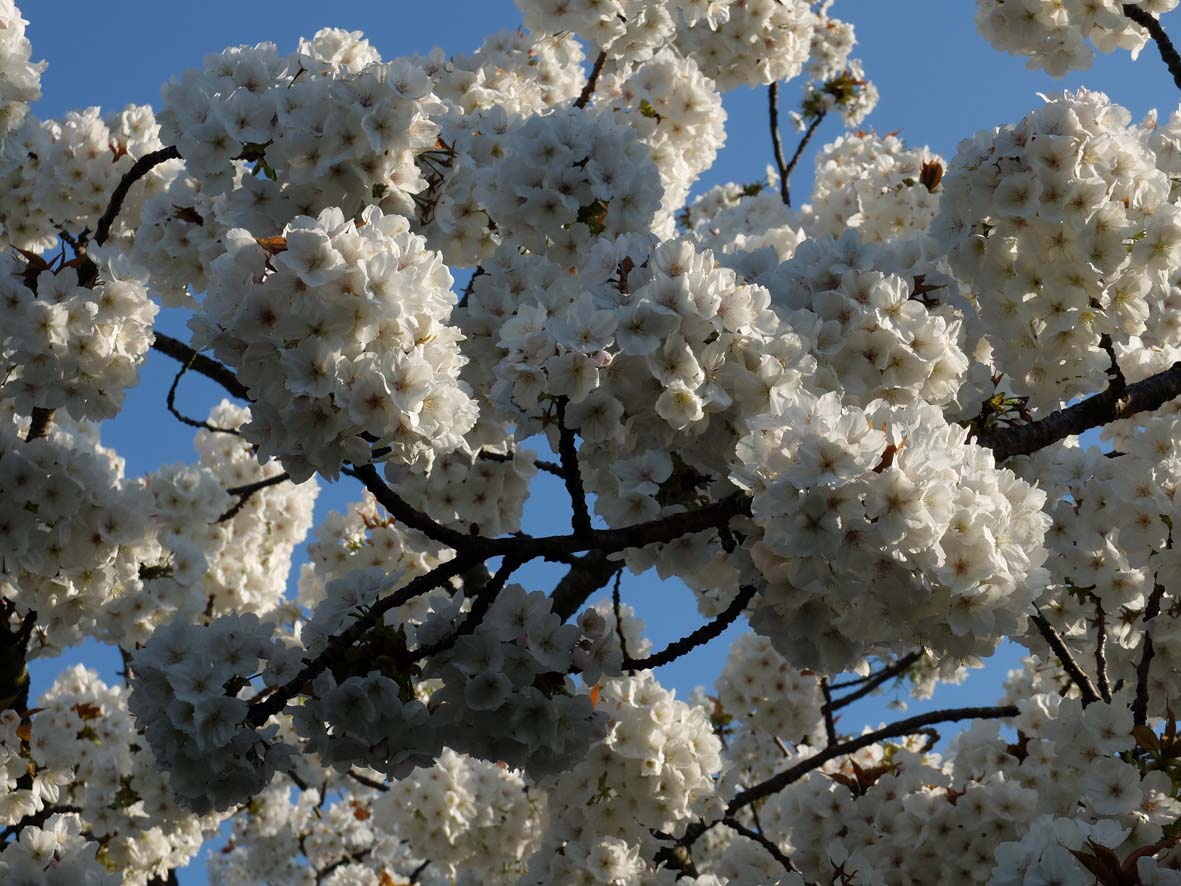
In the midst of restrictions, here is beauty. Nature is unfurling full steam ahead, ripe with life. Blue sky and fat white blossom at its most open. Each day more petals fall like confetti. The cherry tree in South Millfields has no regard for pandemic regulations. Leaves are coming, blossom showers in celebration of spring. I walk the dogs, gulp in fresh air, blue sky, sunshine and trees. At night I pad across the carpet to the bathroom where moonlight illuminates the toilet. I feel my cells respond to larger forces. Sweat, then cool keeps me awake at 2am, in my new day by day existence. Walking the dogs, anchored by nature’s disregard for anxiety holds me steady. This is my spiritual practice. I delight in watching noses twitch in the breeze, feel grounded by capturing shit in small green plastic bags. This cherry tree is now a place of pilgrimage. I breathe it all in, stand less than two metres from its trunk.

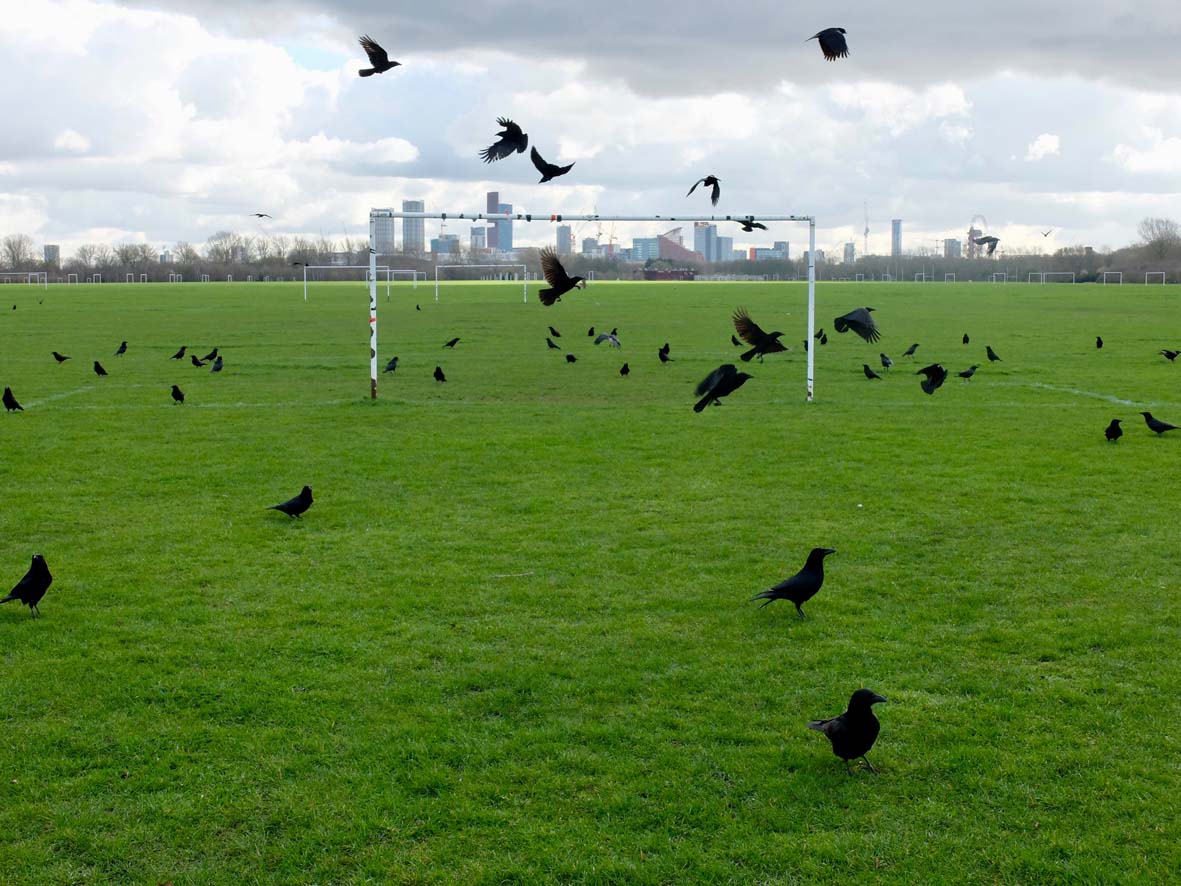
The Corvid family are smart. The genus includes Carrion Crows, Hooded Crows, Rooks, Jackdaws, Magpies, Ravens, Jays and Choughs. People are surprised that the crows on Hackney Marshes know me…but it’s not hard. Every day they spot a curious caravan of humans with bright plumage, dogs and a pram. They call out and land nearby. All winter they come, a regular crowd, more when it’s cold. They arrive for elevenses with eager hops to see what I have brought them – peanuts, suet or scraps. Despite our familiarity, they remain camera shy (strange black object). I feel their indignation when anything disturbs their feed – bicycles that stray from the path, dogs that race out of nowhere. I feel annoyed on their behalf when raucous toddlers, that want to watch them flap, run into their circle. I stand while they swoop towards me, then they circle overhead. They wait for me to stand back, give the dogs a treat, before they approach. Beaks on sunflower seeds have the most delightful popping sound. I tried to record their voices this week, not very successfully. The RSPB have done a better job. Now that warmth has arrived, they will feast on insects and forage until autumn. I cried this morning as their numbers dwindled to nineteen plus, already missing crow chatter. They will ignore me over the summer, despite my enticing conversational openers. I shall listen to this recording to remind me of their intelligent company, and well mannered, generous society.

www.rspb.org.uk/birds-and-wildlife/wildlife-guides/bird-a-z/carrion-crow/

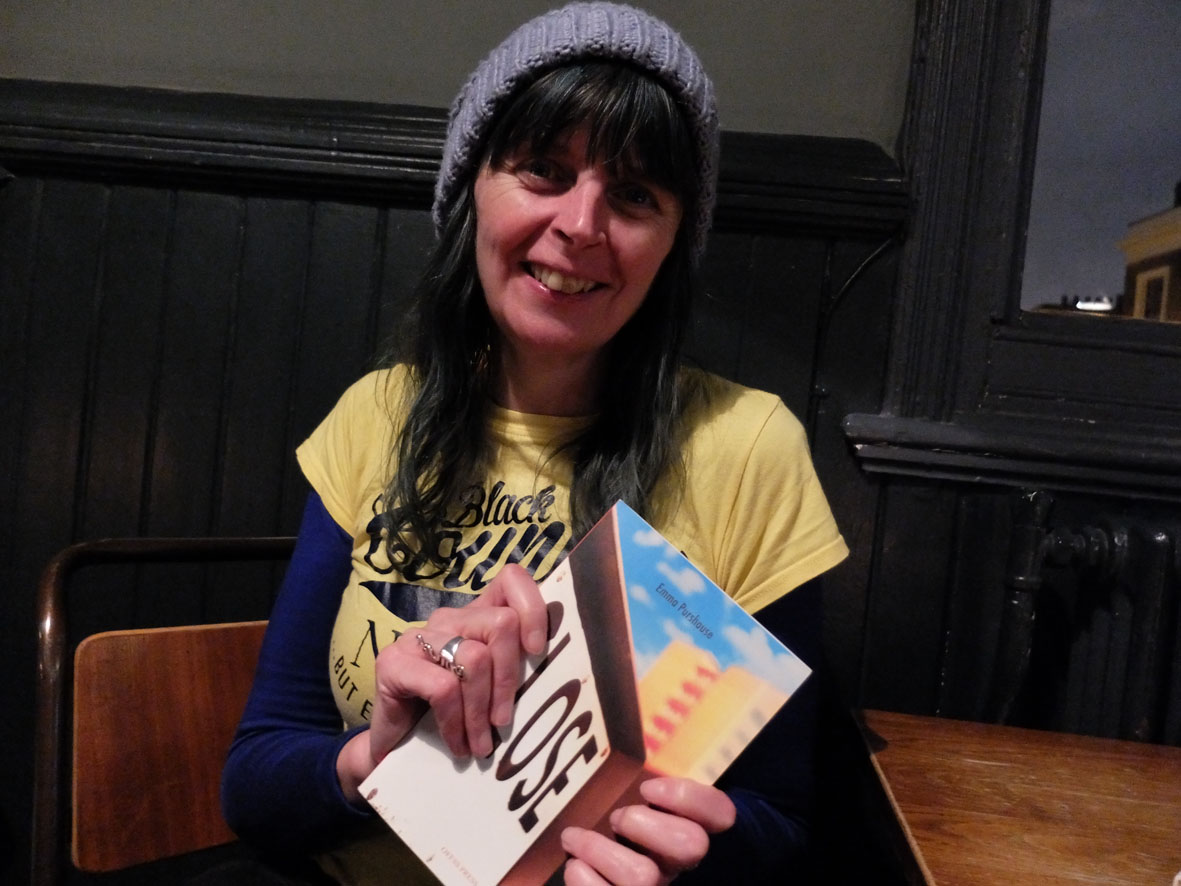
We gathered, the damp and determined, in an upstairs room at the Roebuck in SE1 on a rainy Wednesday night. It was not so long ago, in a different era. We went to hear Emma Purshouse and Steve Pottinger. Also known as two out of three ‘Poets, Prattlers and Pandemonialists’. Love and loss are currency for the grist of poets. They notice the small changes and gestures that show love like Pottinger’s ‘Impulse’, or Purshouse’s love letter, ‘Wolverhampton – a Winning City’. They both speak passionately about change. Be heartened by Pottinger’s letter to Café Nero. Emma Purshouse brings her irreverent eyes to the back waters and cul-de-sacs of town. She stands to read, as though recently uncrumpled from the sofa. She is astute, wrapped in humility plus woolly hat. I want to hug her. Her wit is sharp enough to hide in the spaces between words. Her voice lingers, leaving a sigh after her dead-pan face has left the room. If you need cheering up, or fancy a trip to the everyday life of the Black Country, there’s stuff to read, watch, and some silliness on-line.

www.emmapurshouse.co.uk/wolverhampton-a-winning-city/
www.stevepottinger.co.uk/coffee

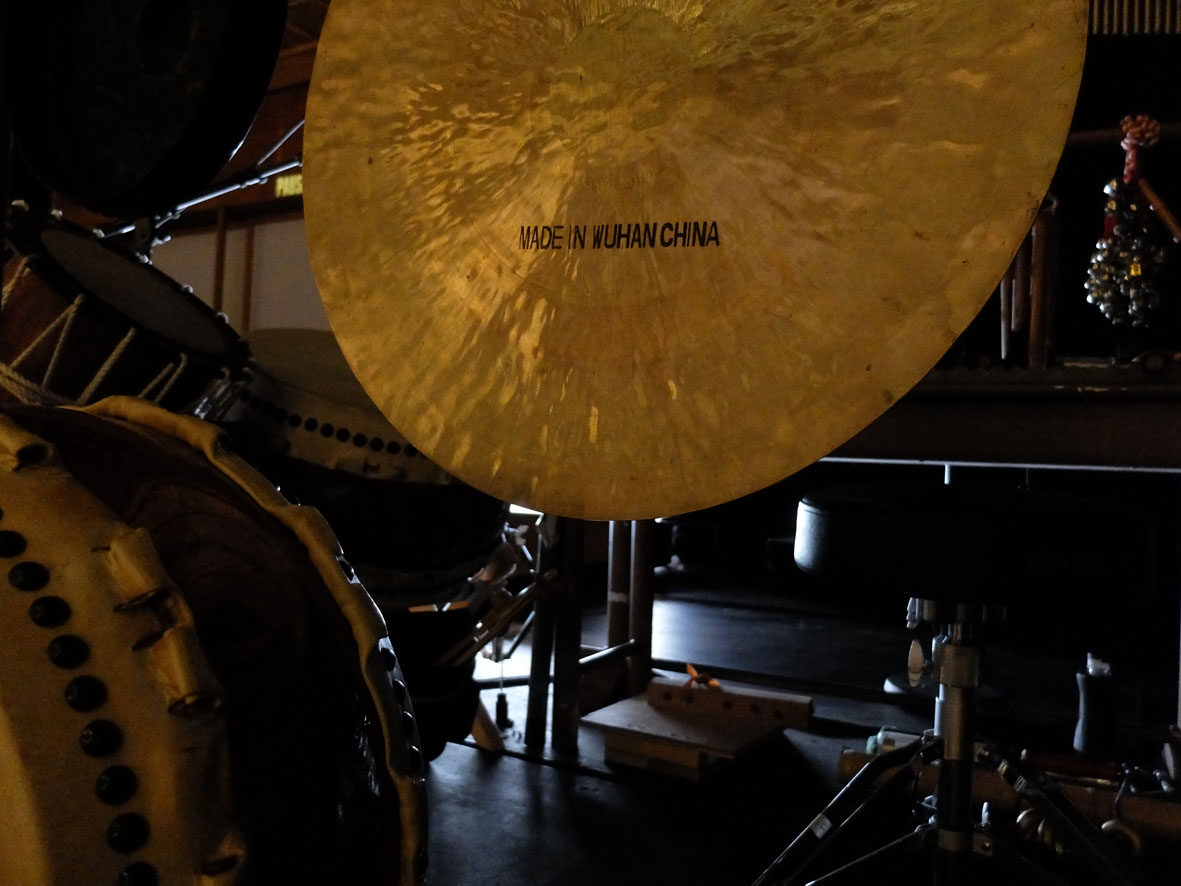
Before the theatres went ‘dark’, I was lucky enough to spend seven hours immersed in Robert Lepage’s visionary epic, ‘The Seven Streams of the River Ota’ at the National Theatre. This is a revised production of the work, created by Ex Machina – Lepage’s multidisciplinary company. Robert Lepage is an extraordinary magician, with a creative team who bring together performing with recorded arts to make extraordinary theatre. Seven scenarios take place within the piece, from 1945-1995. There are elements of overlapping narrative. “Hiroshima, city of pain,” is where the arc begins and ends. One after another clever and beautiful image takes us through the different scenarios. The action depicts Hiroshima post nuclear explosion, close proximity of relations in an American boarding house, life in Theresienstadt concentration camp in Czech, a farce in Osaka, (shown both from the inside and outside), diplomatic life in Osaka, an assisted suicide as a result of HIV Aids in Amsterdam, and Hiroshima again. Sometimes the narrative is more obscure, but ultimately the whole piece is devised to show Hiroshima as a symbol of rebirth. Within the play there is also an exploration of theatre itself, and its ability to transform details of history into a felt understanding. With his usual inventive flair, physical performances blend with lighting, video and sound to summon atmosphere and emotions. These draw me in to each character’s different history of trauma and grief. Looking back to a day when there were only 163 confirmed cases of Covid-19 in the UK, the few empty seats appearing in sold out shows offered bargain theatre-going opportunities. My elbow touched a stranger. Recalling breath-taking tableaux summoned up with light, silhouette, colour, mirrors, dance, humour, story, sound and silence, conjures up illusions within what now seems an illusory time. A garden of stones creates a walkway to be kicked up with butoh, or walked on through the opening sequence. Percussion adds to the crunch. One and sometimes two drummers keep the show moving. I notice the cymbal “Made in Wuhan China”. It reverberates, calling our attention to find meaning in a sea of grief.

Ex Machina, the company of Robert Lepage